Design Ideas for the Interior of Your Greenhouse
Designing the Shape and Height of Raised Garden Beds
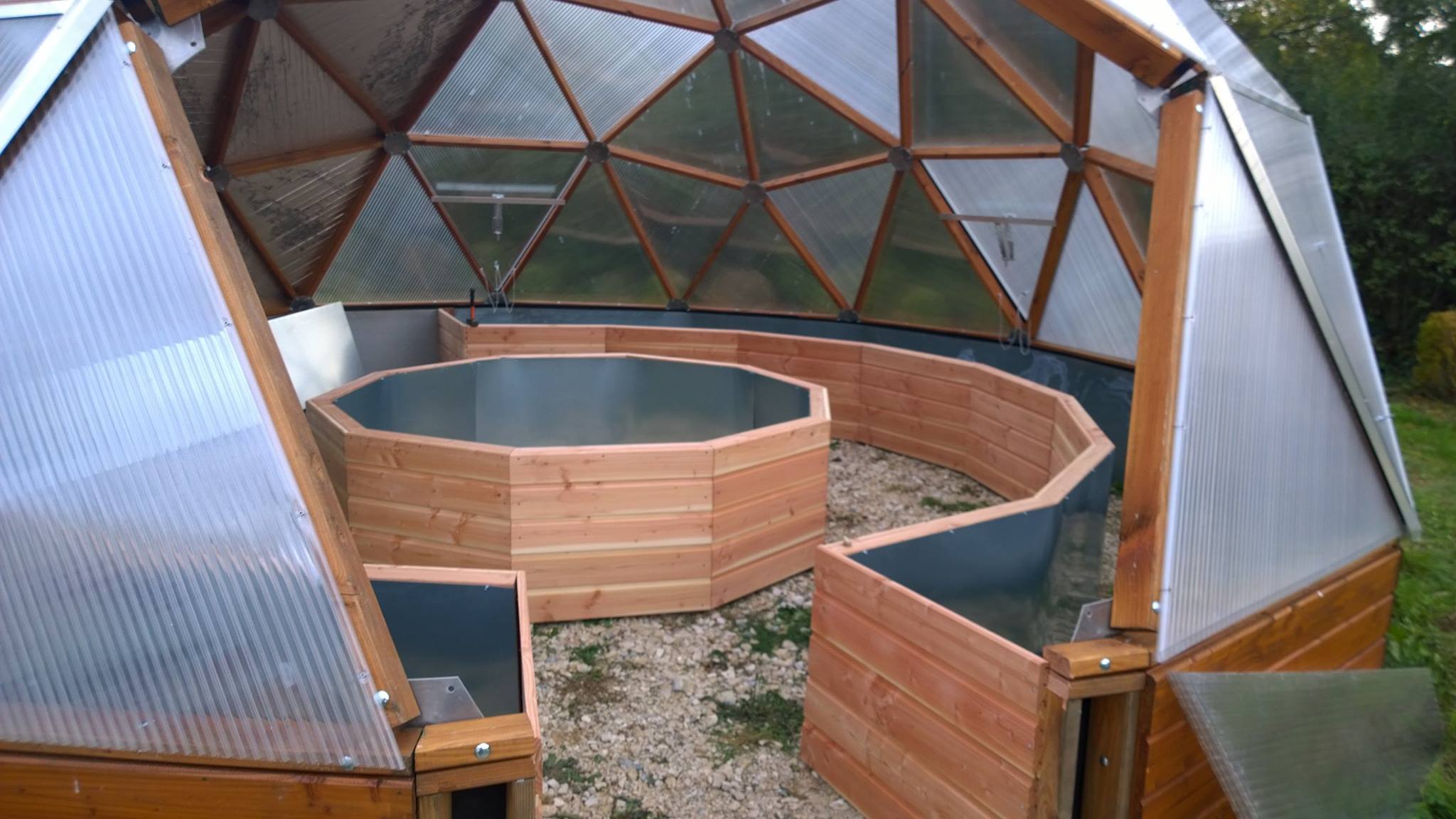
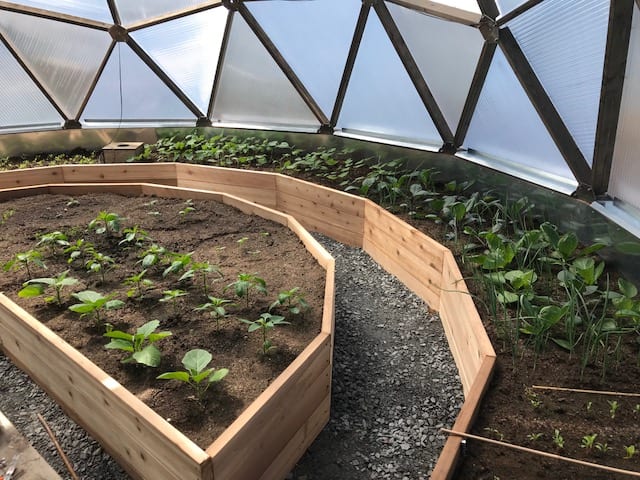
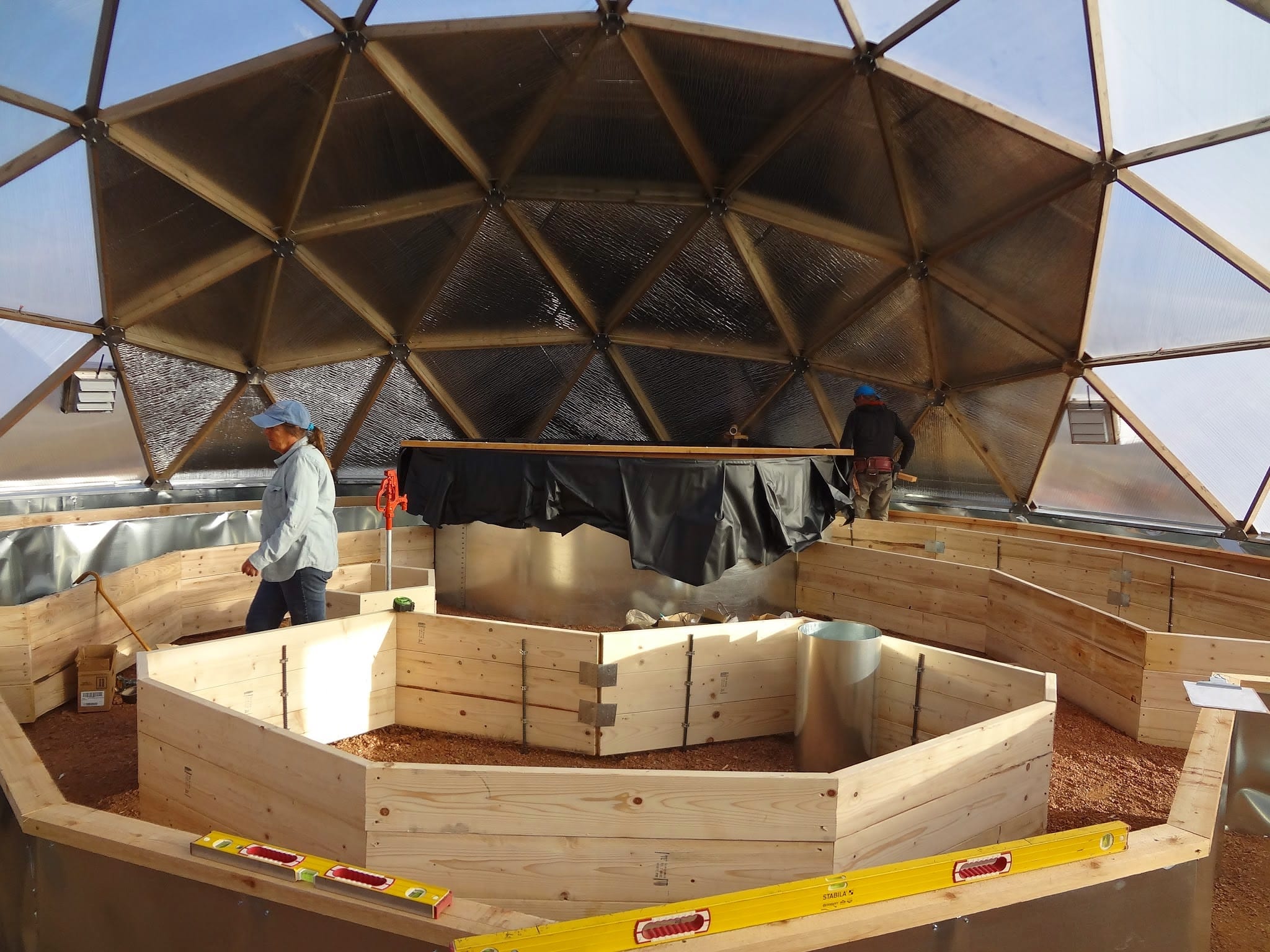
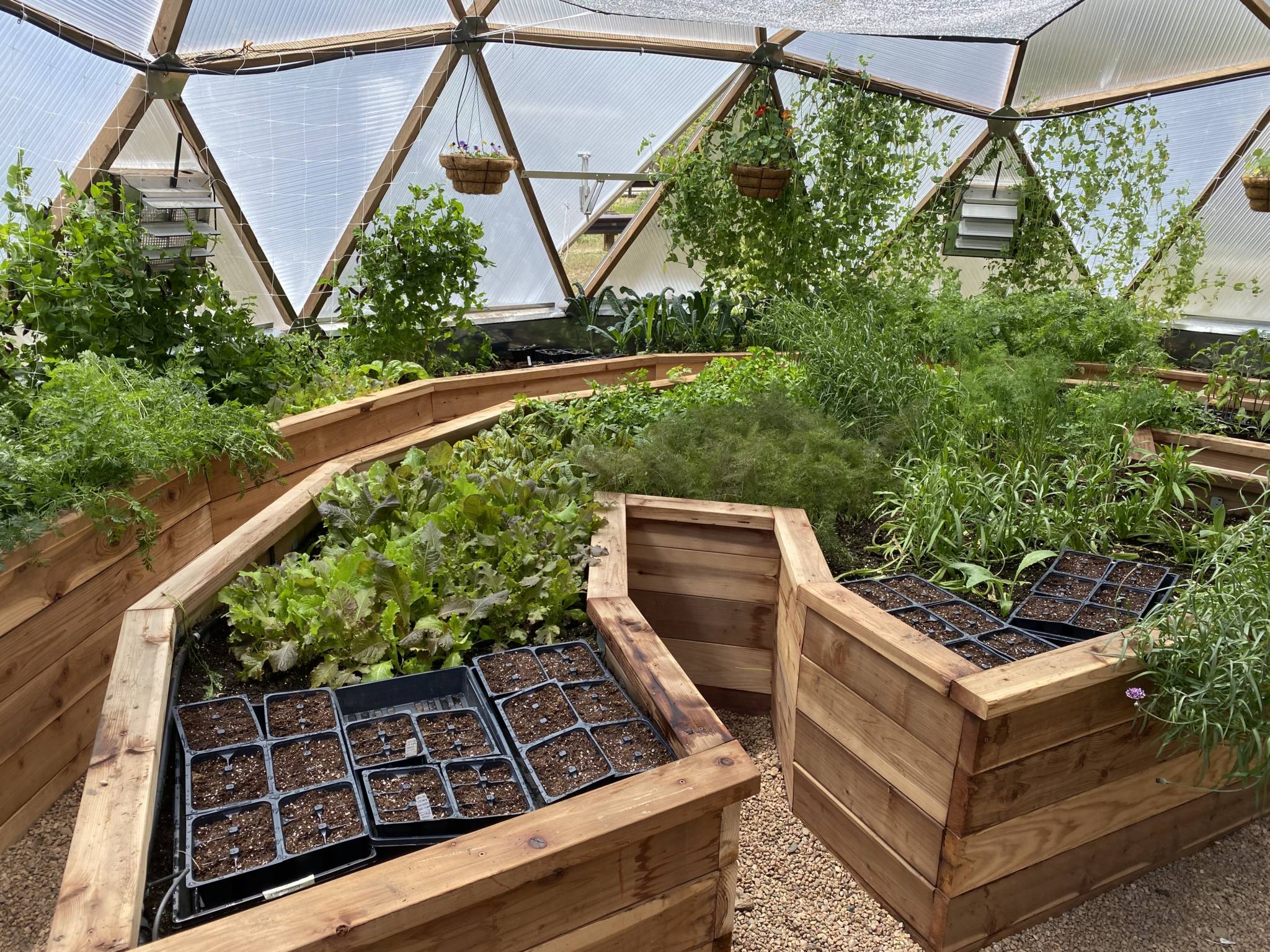
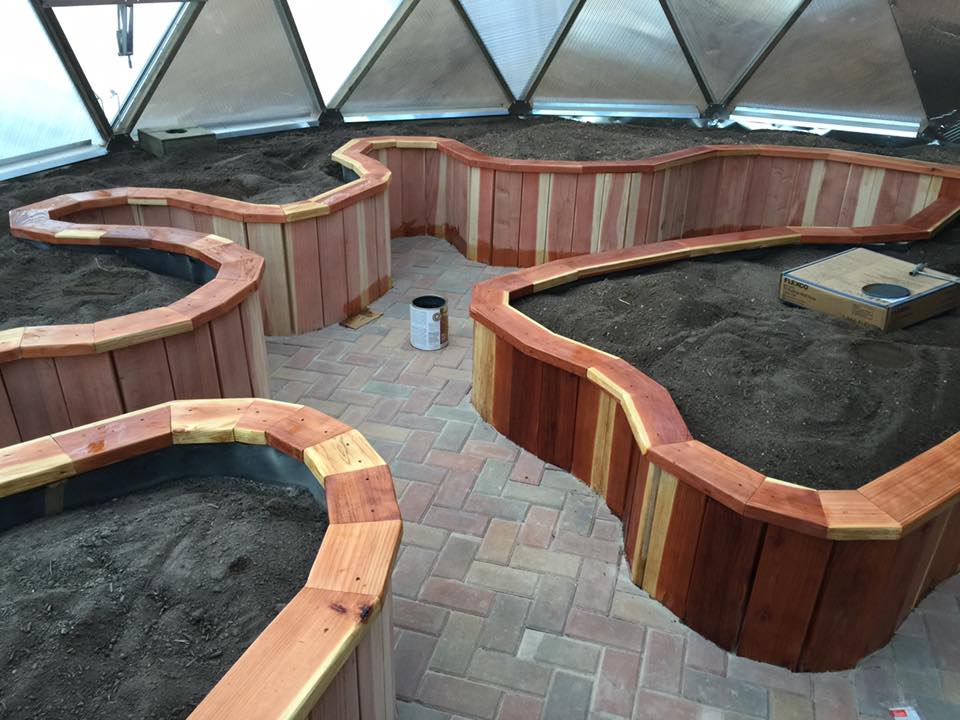
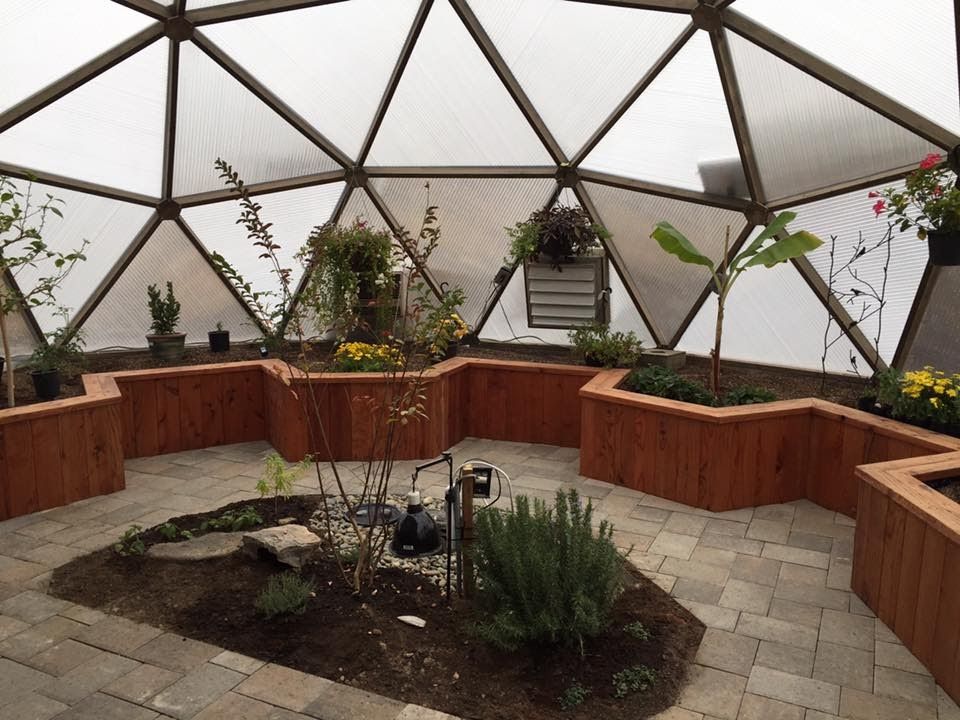
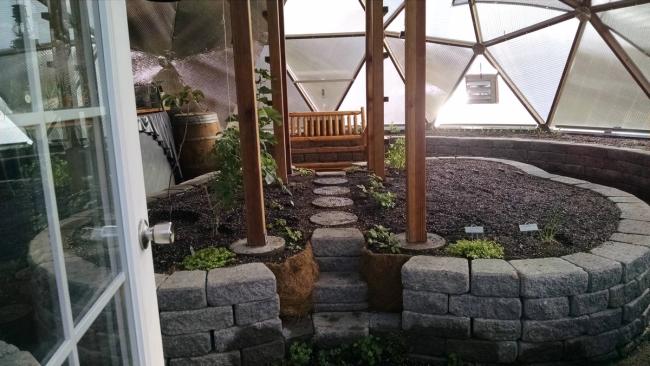
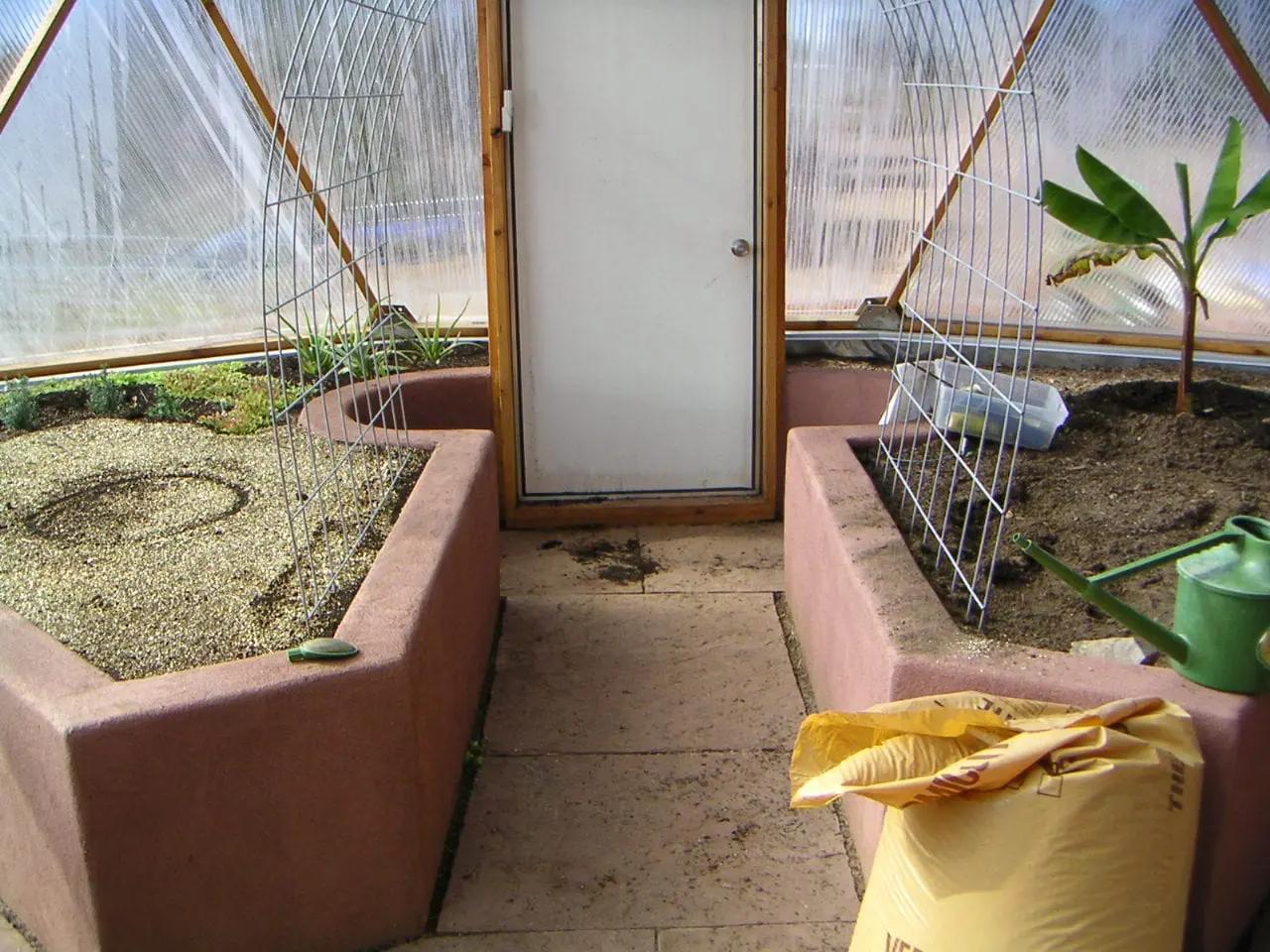
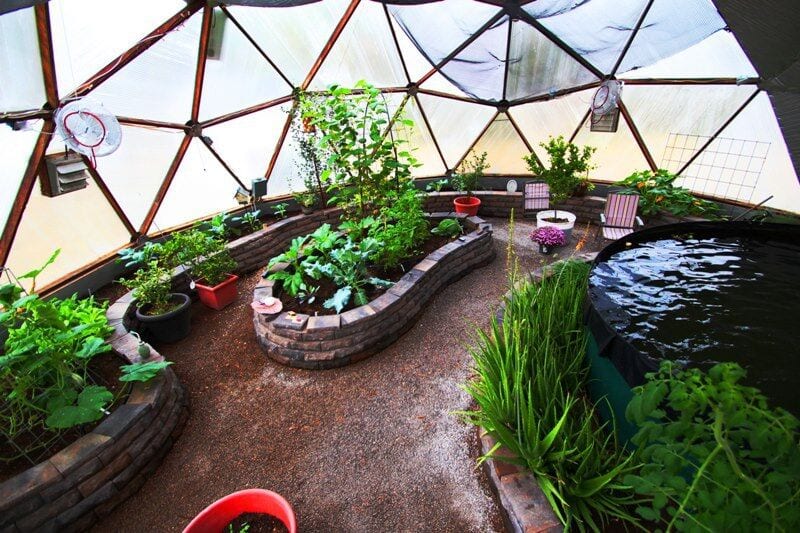
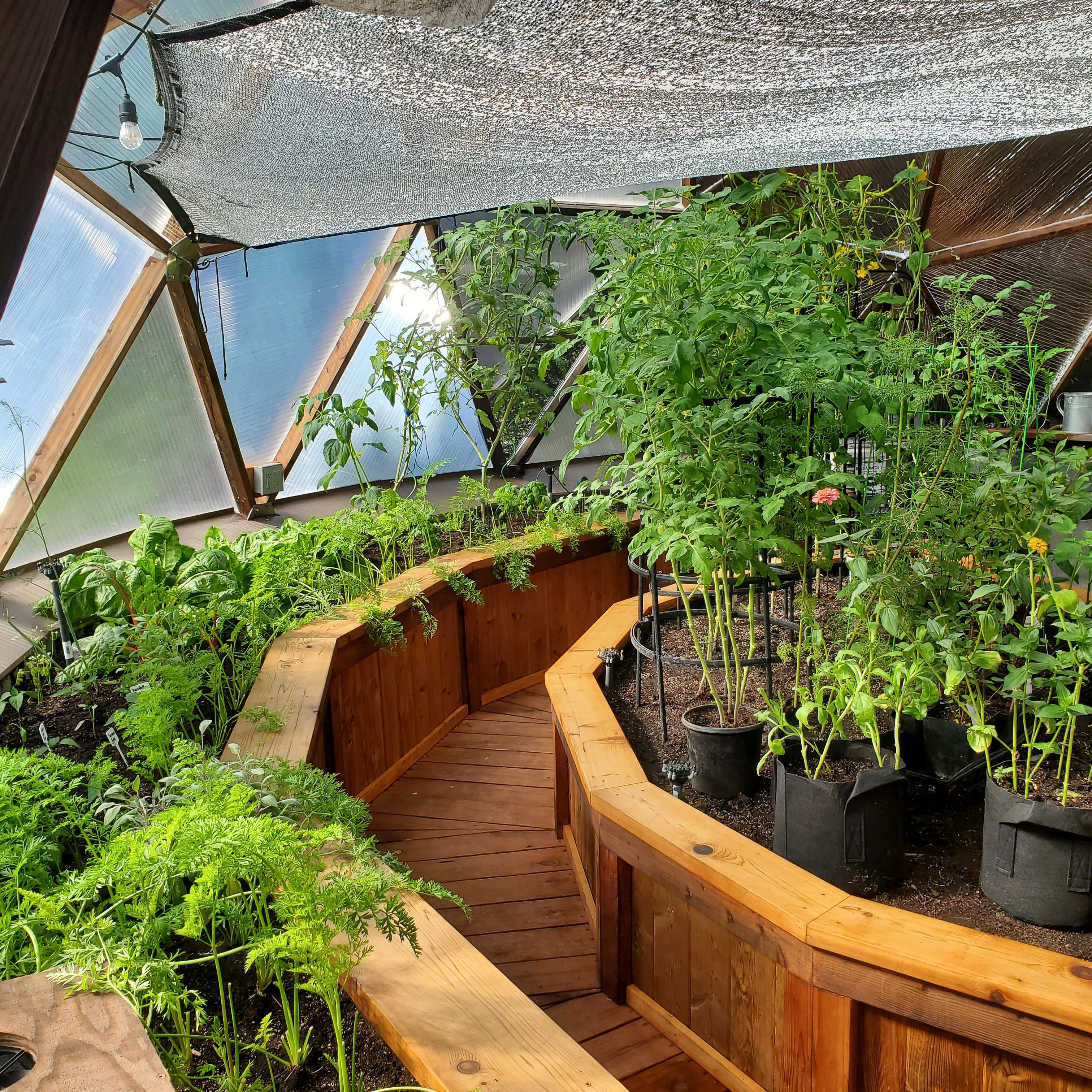
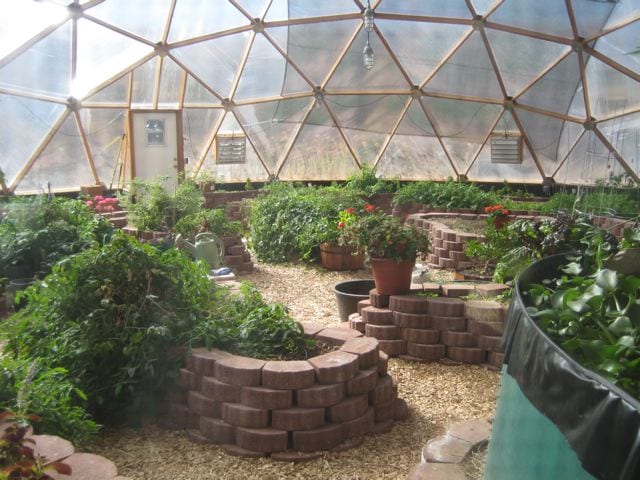
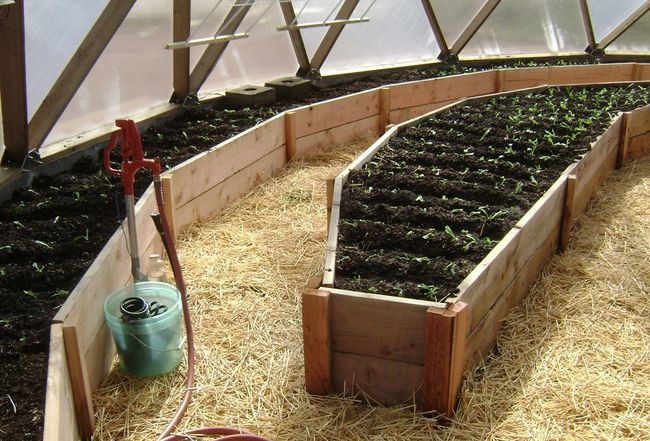
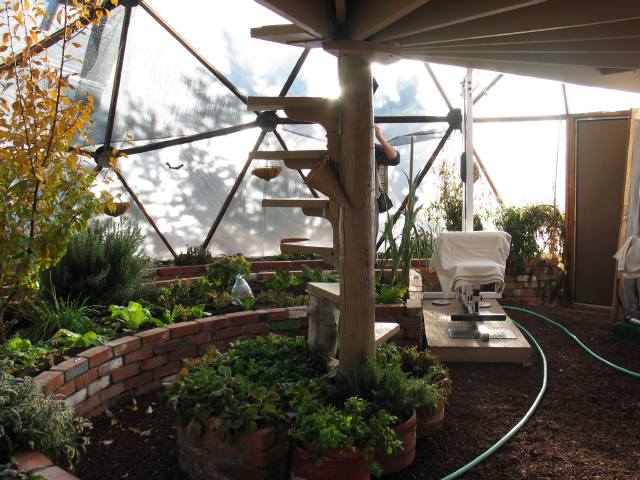
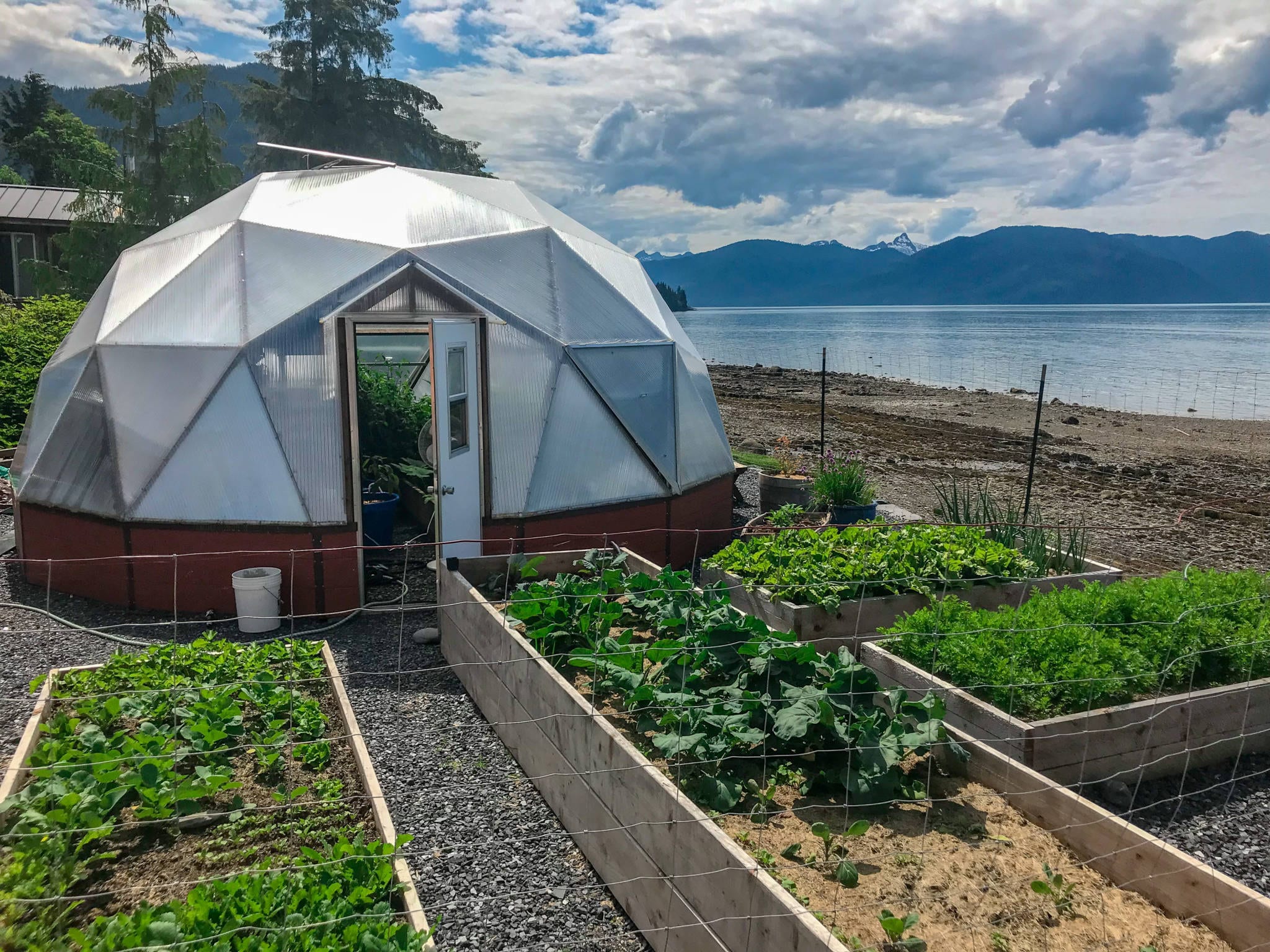
Growing Dome greenhouses’ circular footprint typically features an outer raised bed, a circular pathway, and an inner raised bed. Keyholes can be added for easier access.


In contrast, during the winter months, high-density materials serve as effective thermal mass. These materials absorb heat from sunlight and the surrounding environment during the day, then slowly release it as temperatures drop at night. This gradual release of stored warmth helps to moderate temperature swings inside your growing space, protecting plants from sudden cold snaps.
Pathways
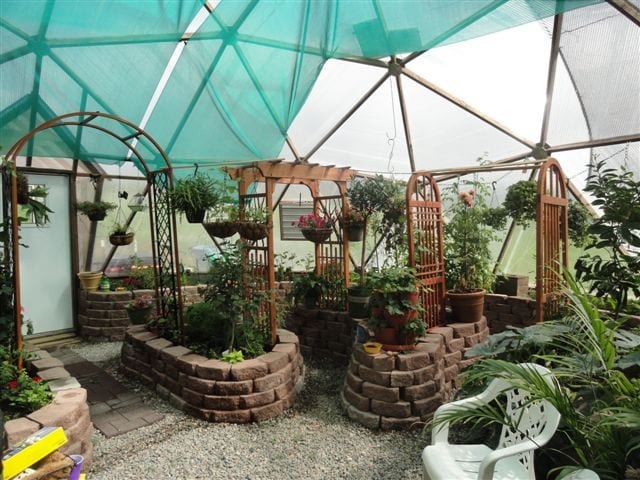
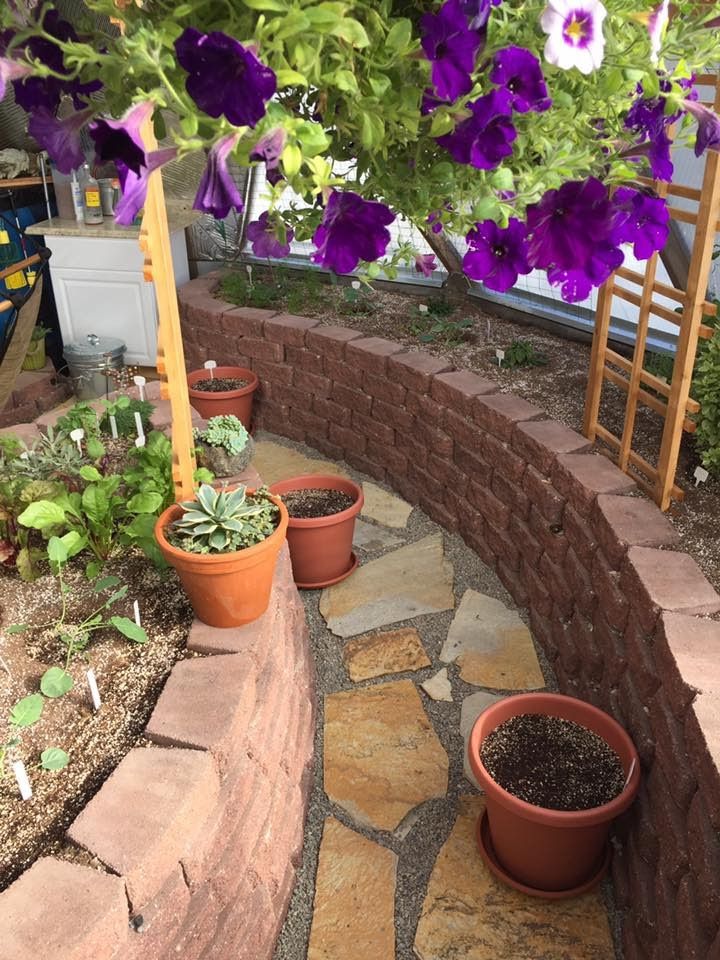
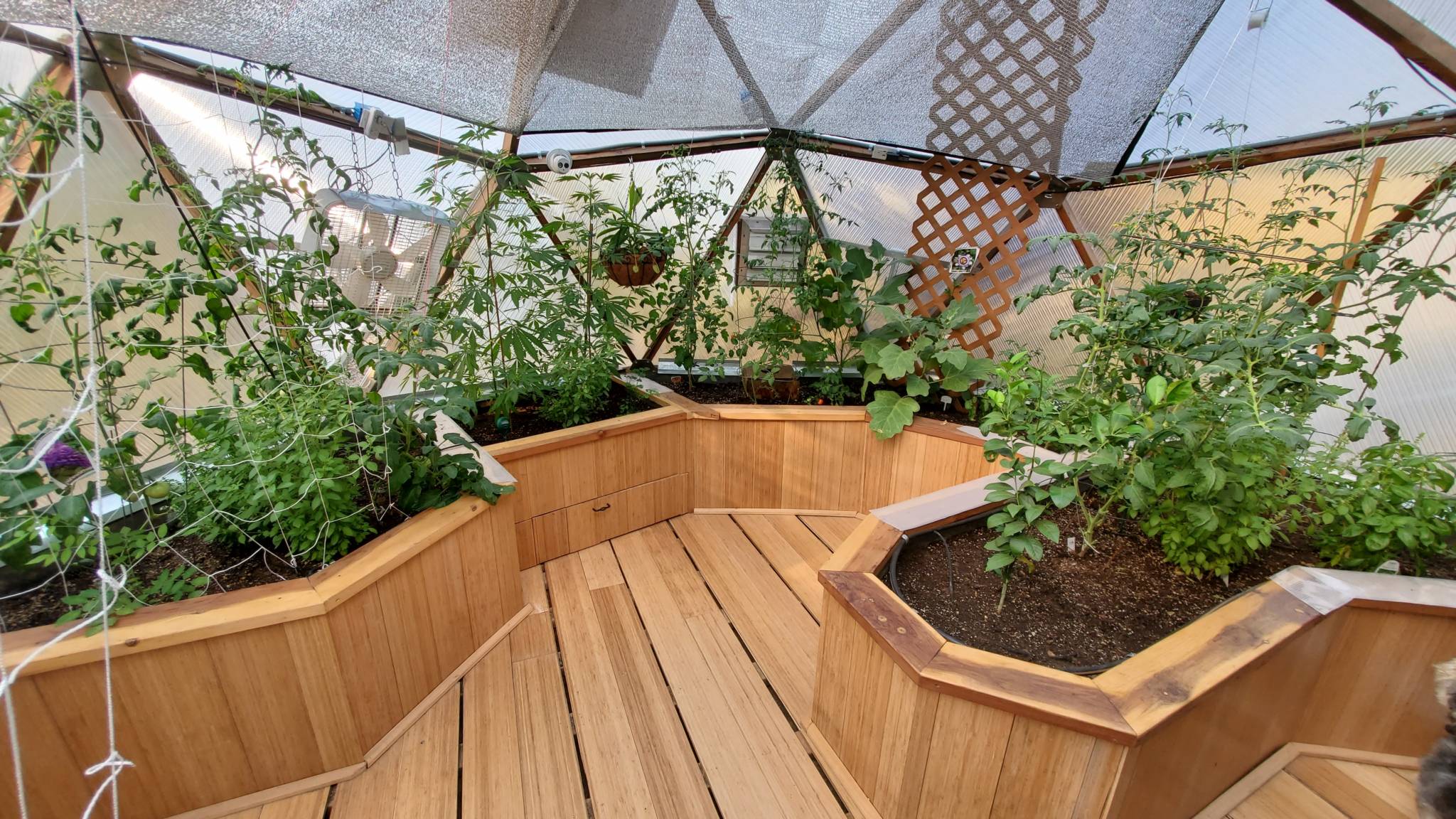
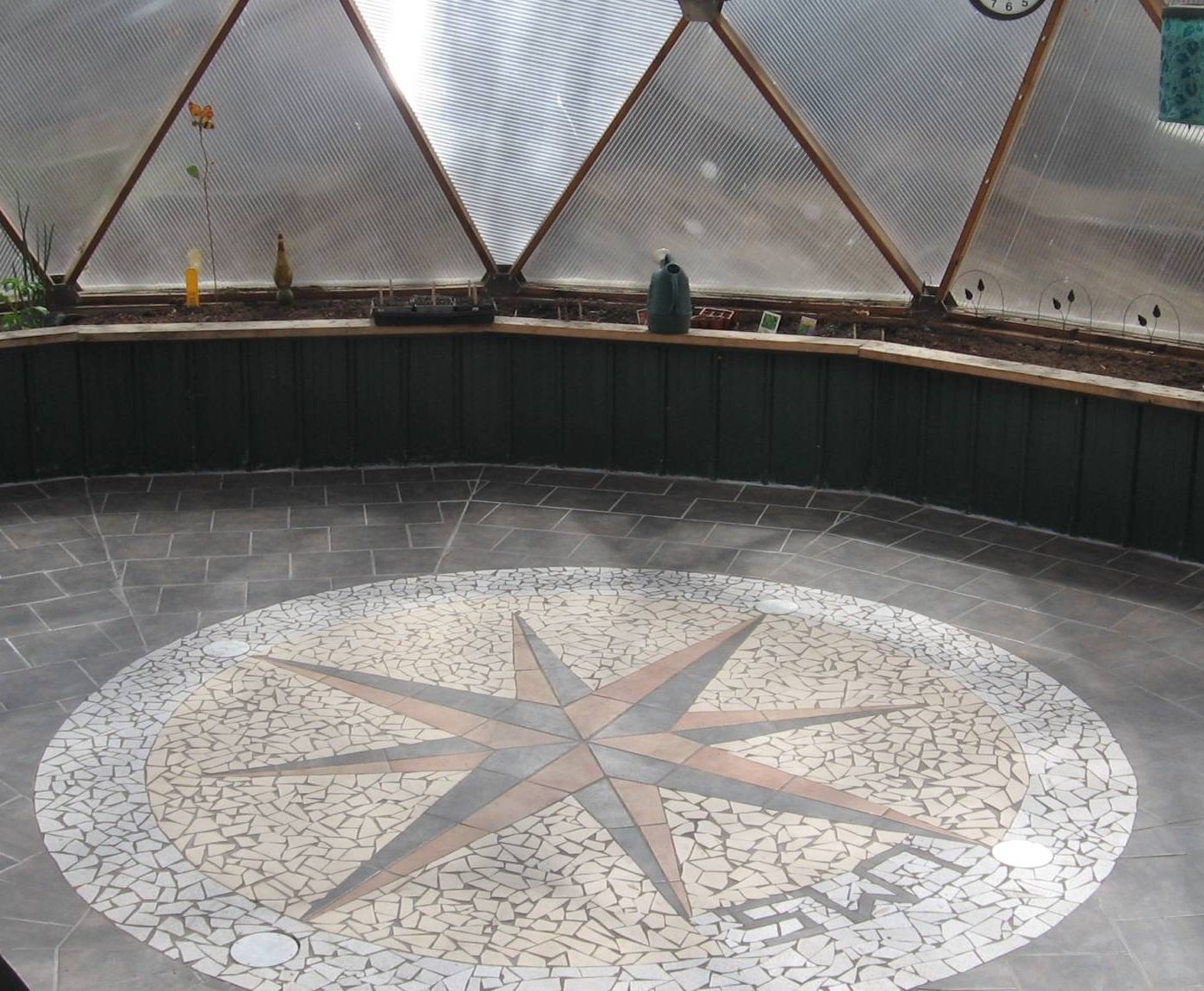
Pathways can be constructed using various materials, including pea gravel, redwood, cedar, Trex, or flagstone, as well as brick pavers. We advise against using mulch or bark chips, as they can create a breeding ground for common garden pests.
DIY Plans & Cutlists
Recommended Materials for Constructing Raised Beds
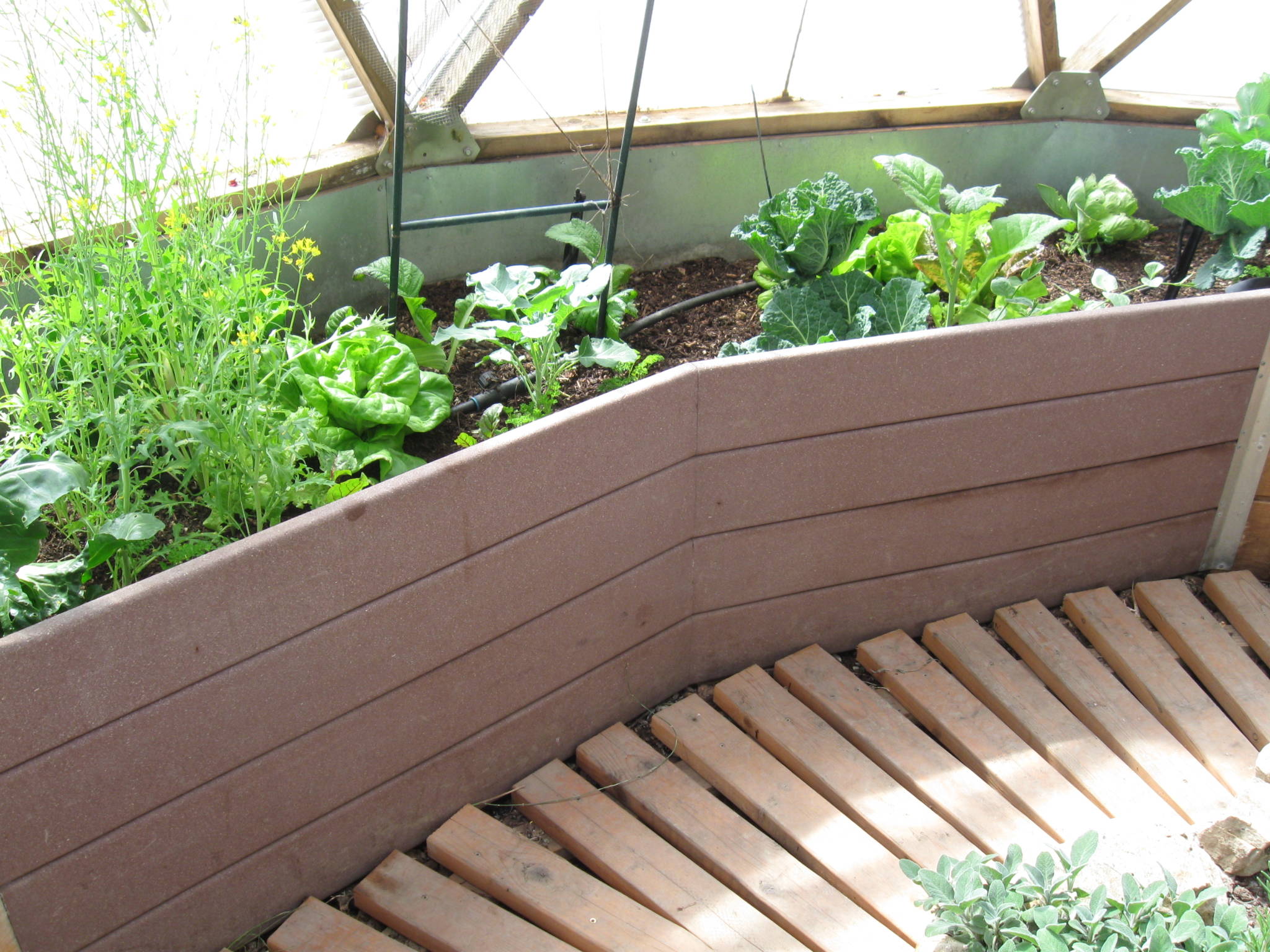
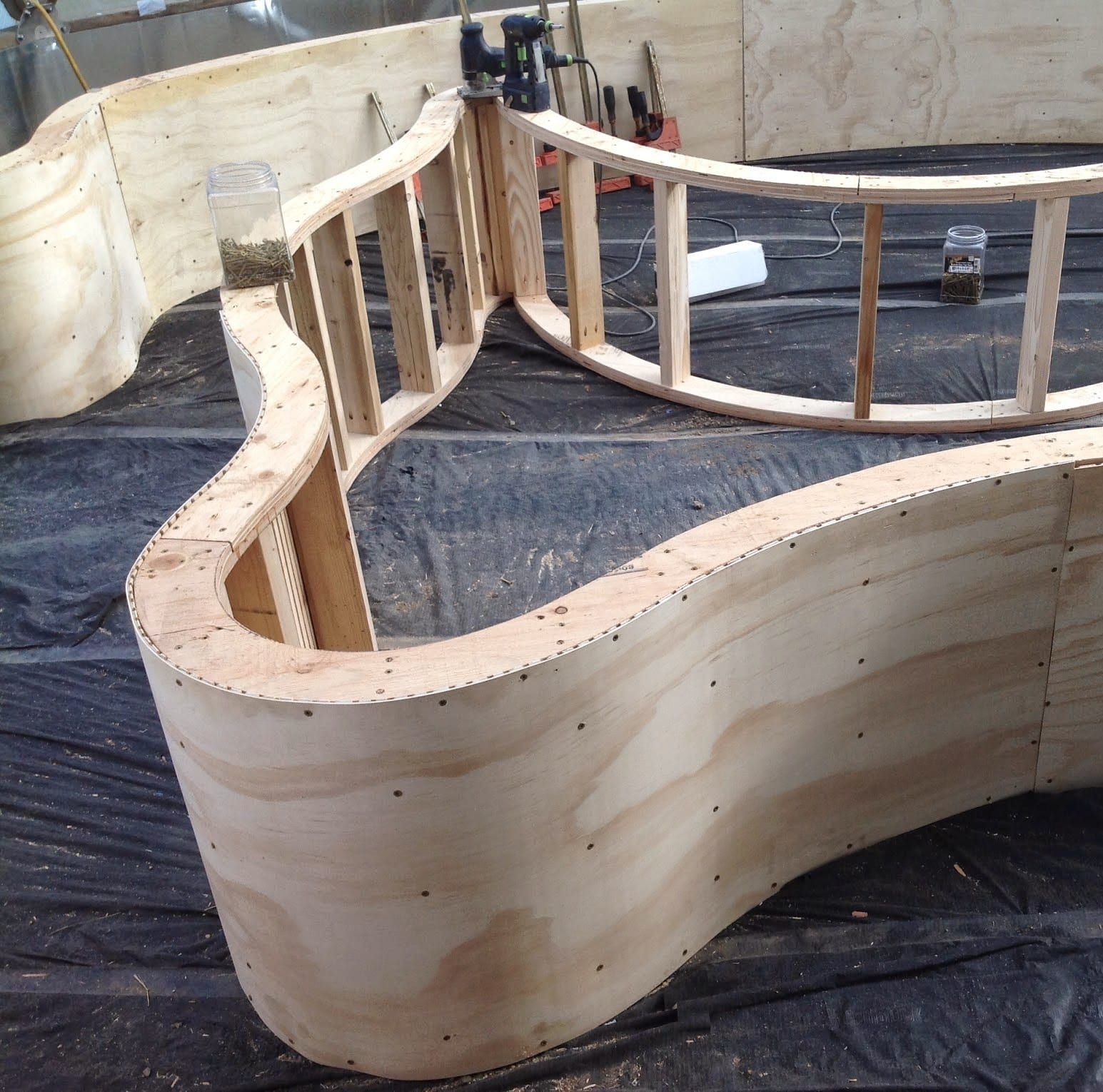
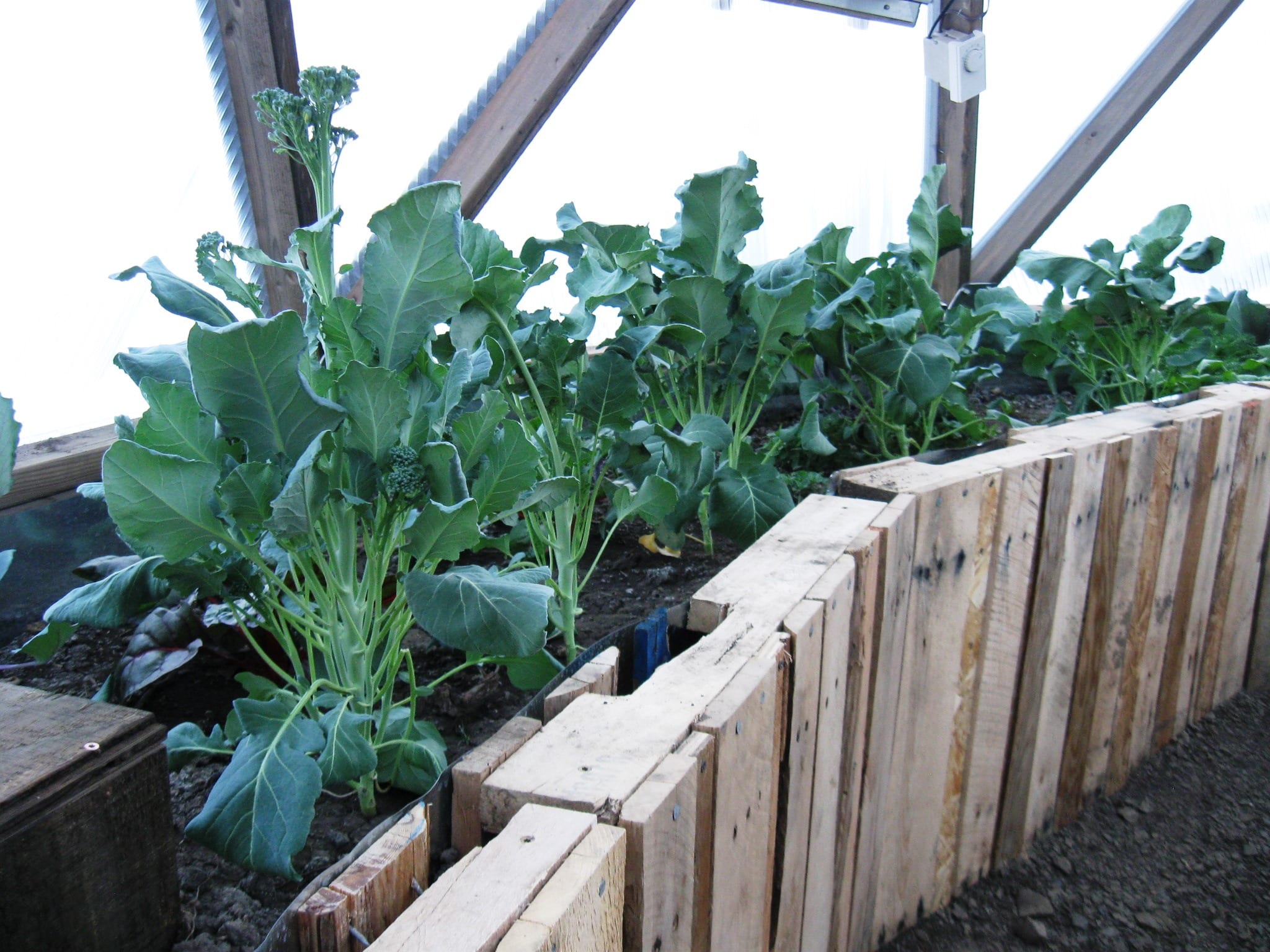
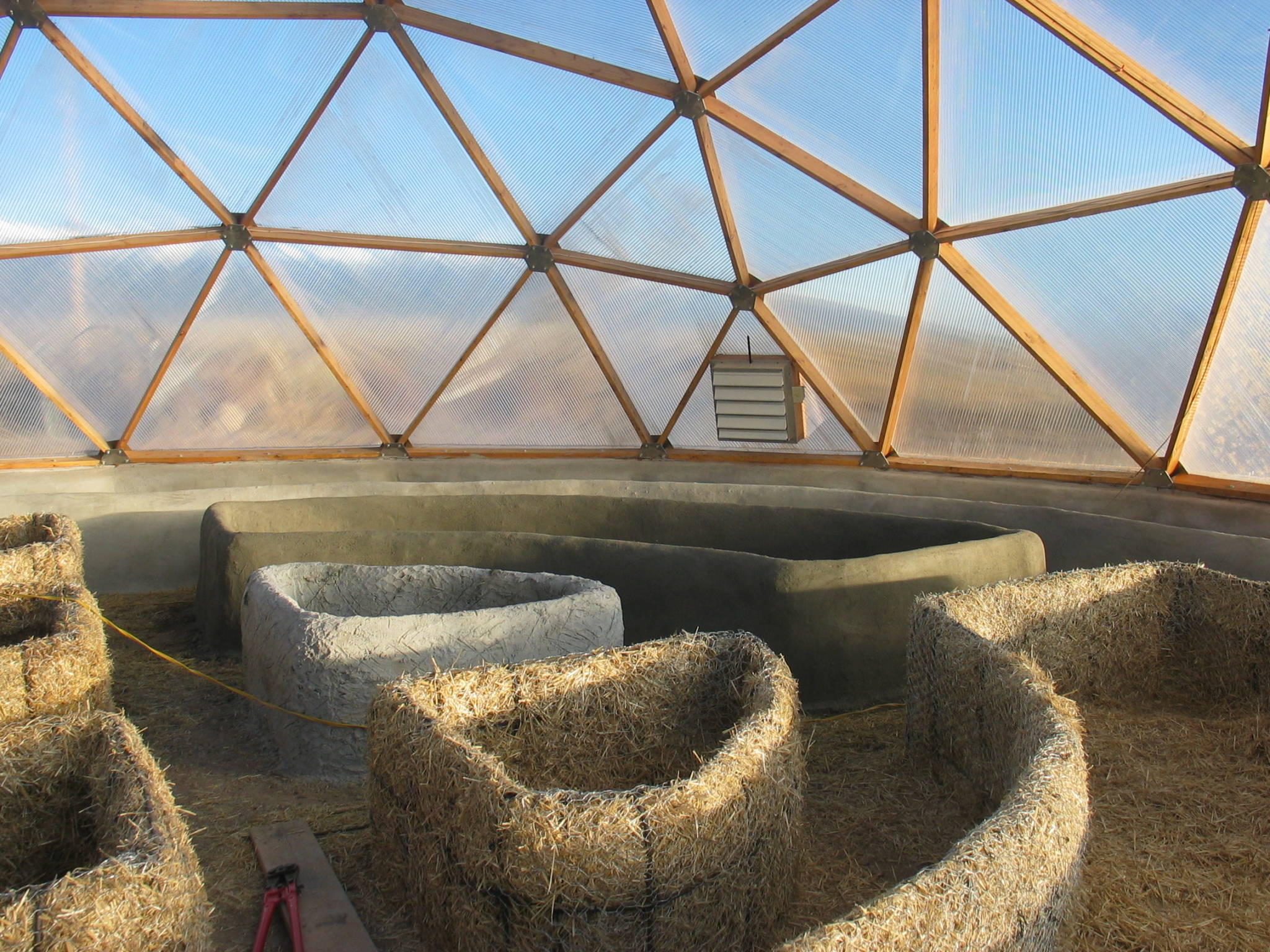
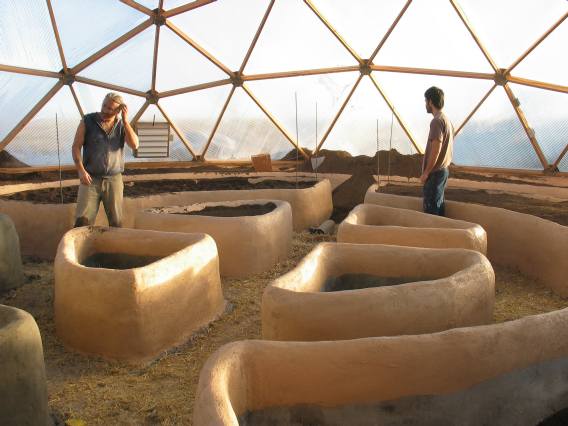
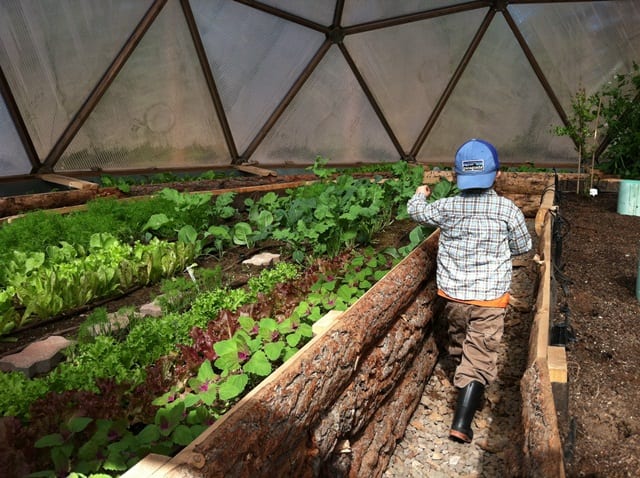
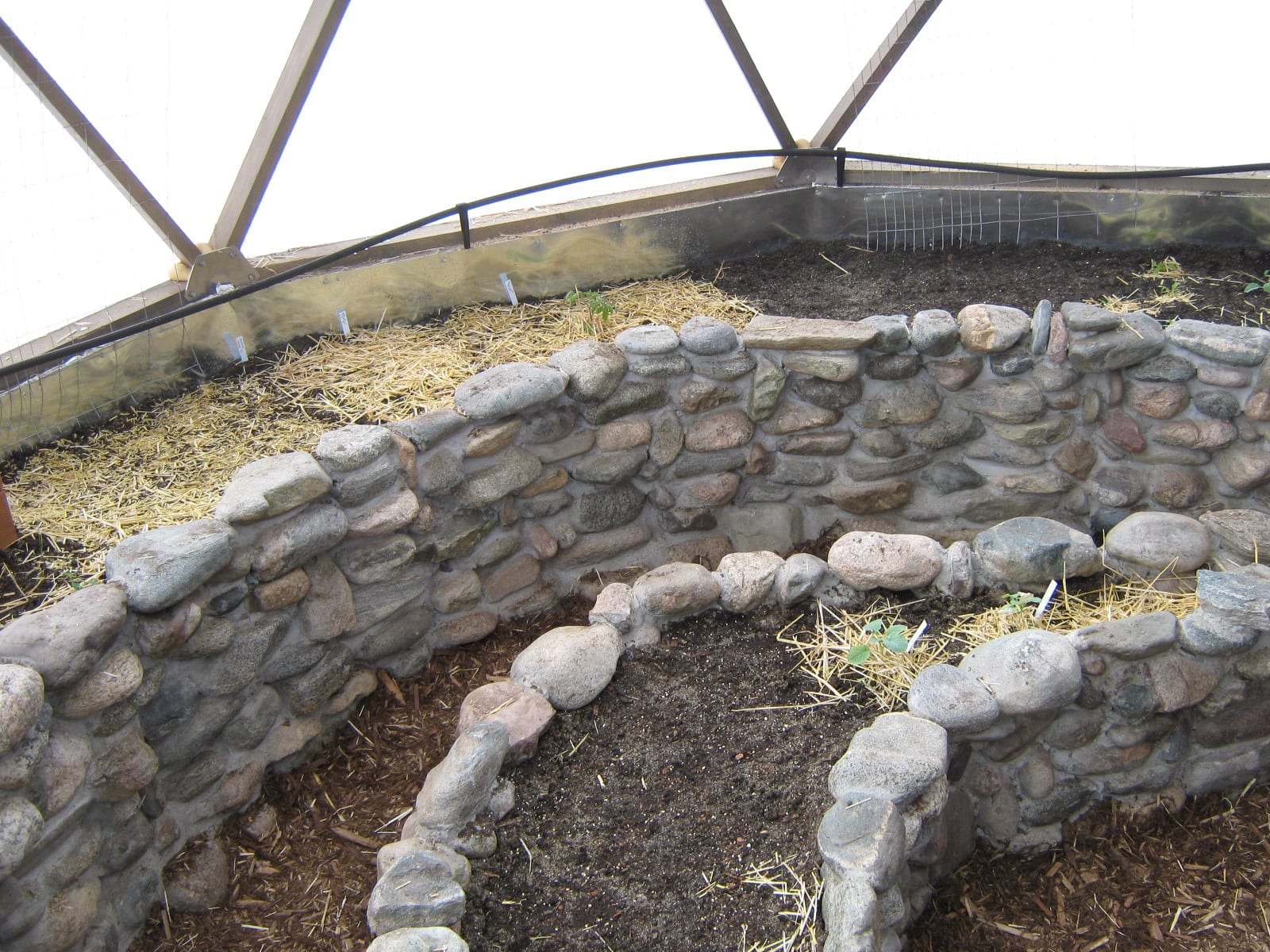
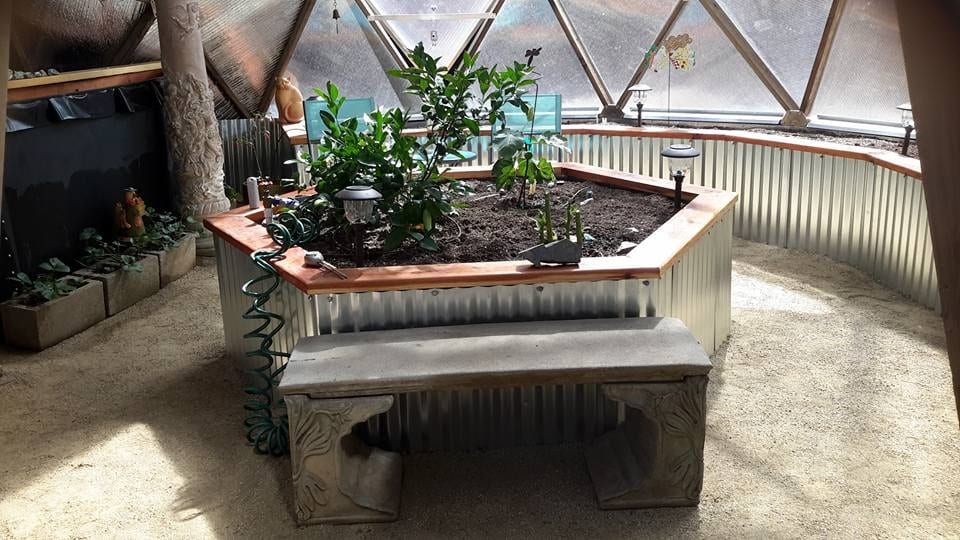
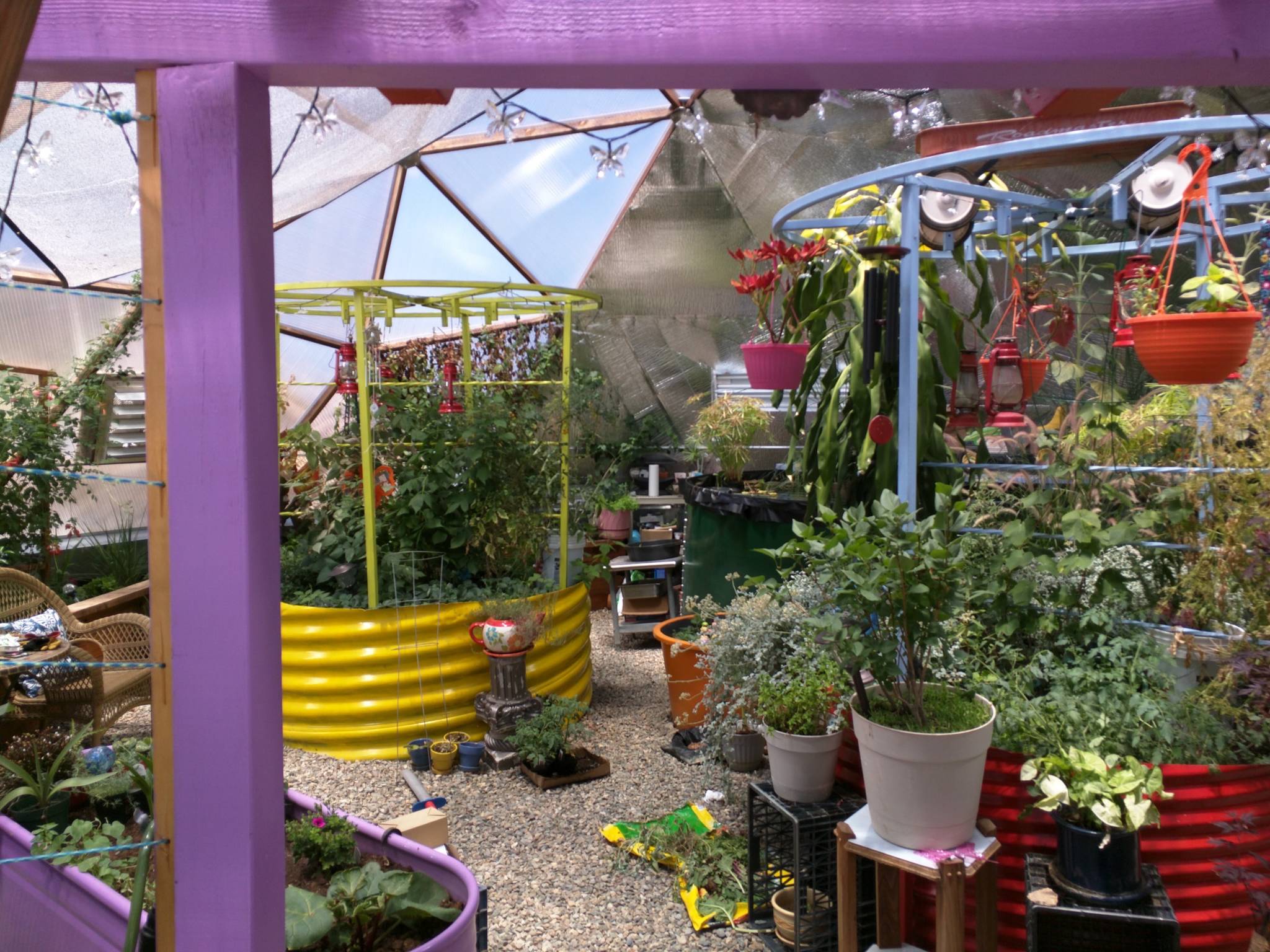
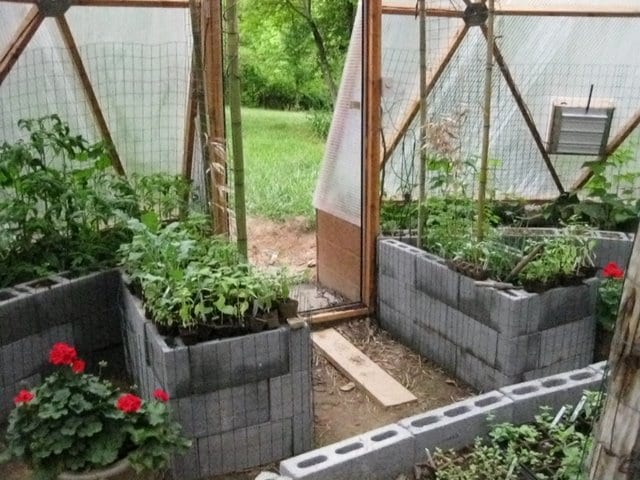
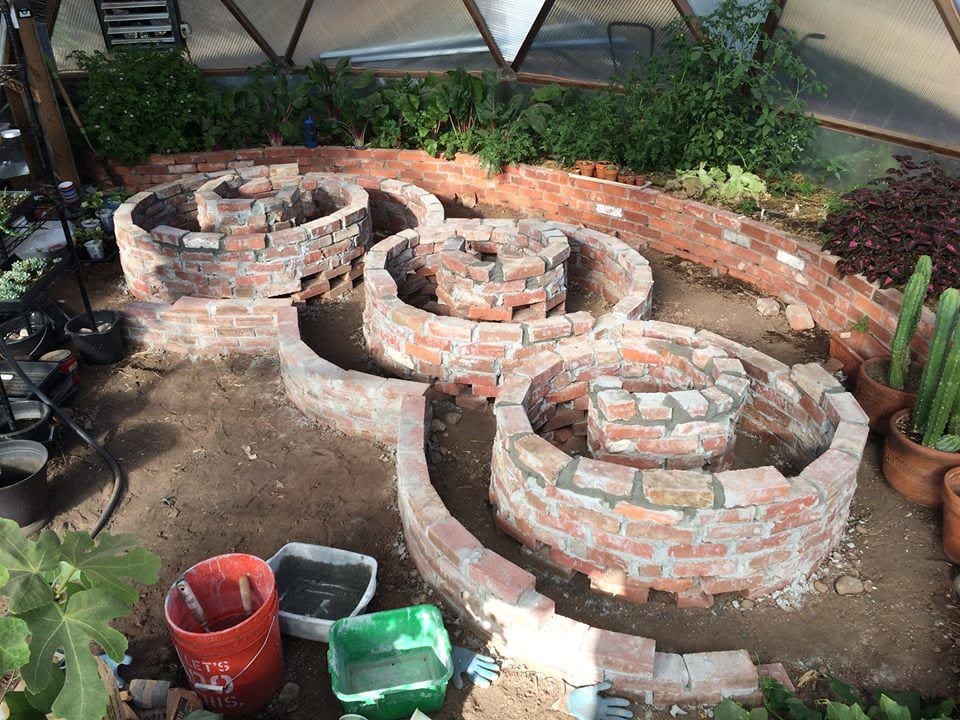
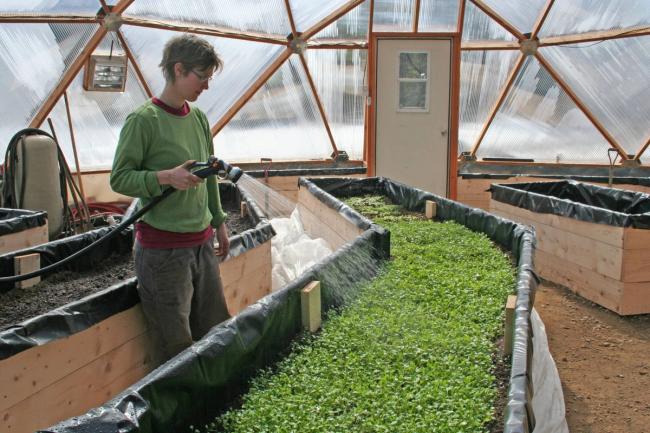
When building raised garden beds, rot-resistant lumber like redwood or cedar are excellent choices. However, if you’re using non-moisture-resistant or pressure-treated lumber, it’s advisable to line your beds. The outer bed wall should already be lined with the metal flashing included in your greenhouse kit. In addition to lumber, Growing Dome growers often use recycled materials such as plastic, plywood, pallets, sheet metal, adobe and stucco, rocks and concrete, cinder blocks, aluminum siding, brick, railroad ties, and many others. These diverse materials and methods allow for creative and sustainable raised bed construction.
Estimated Costs for Raised Beds
All raised bed designs use 2” x 6” lumber laid horizontally for the walls and 2” x 4” lumber for the top caps. These designs maximize growing space with 20” paths and no space set aside for recreational space. This estimate assumes the use of cedar.
Soil Estimates
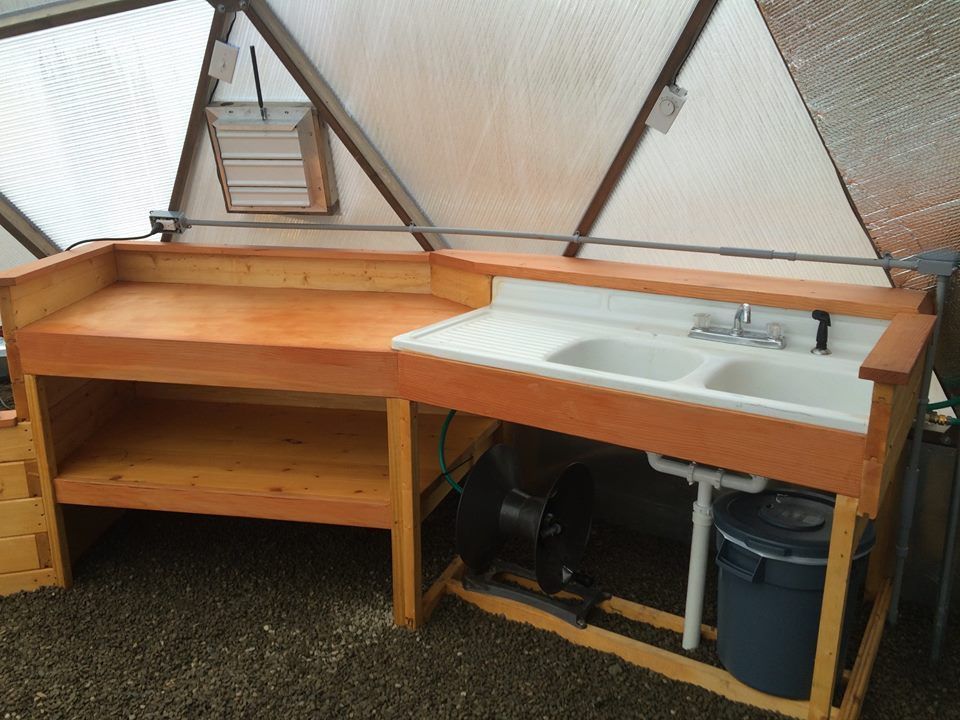
Don’t Forget Practical Storage and Relaxing Recreational Areas


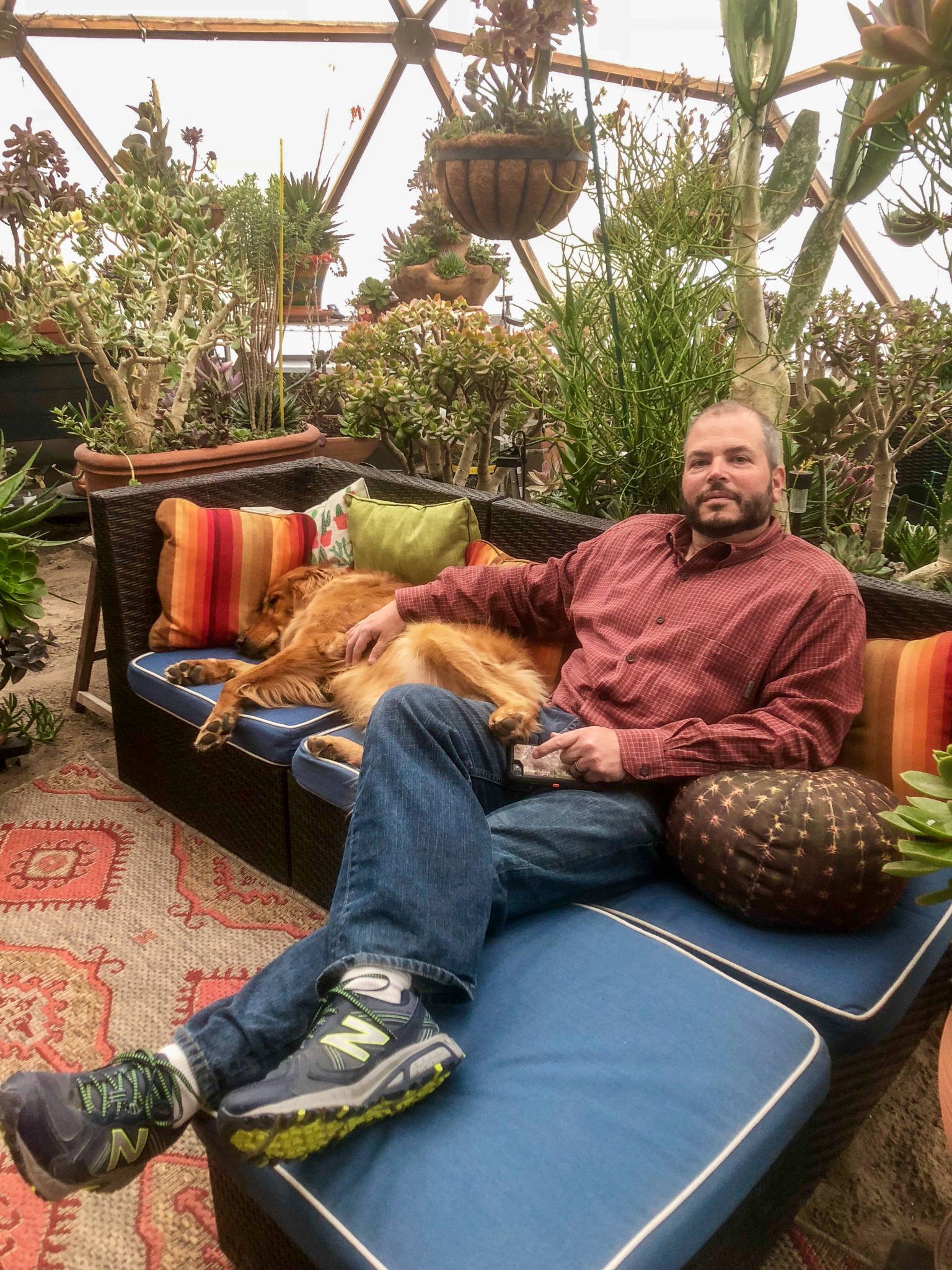
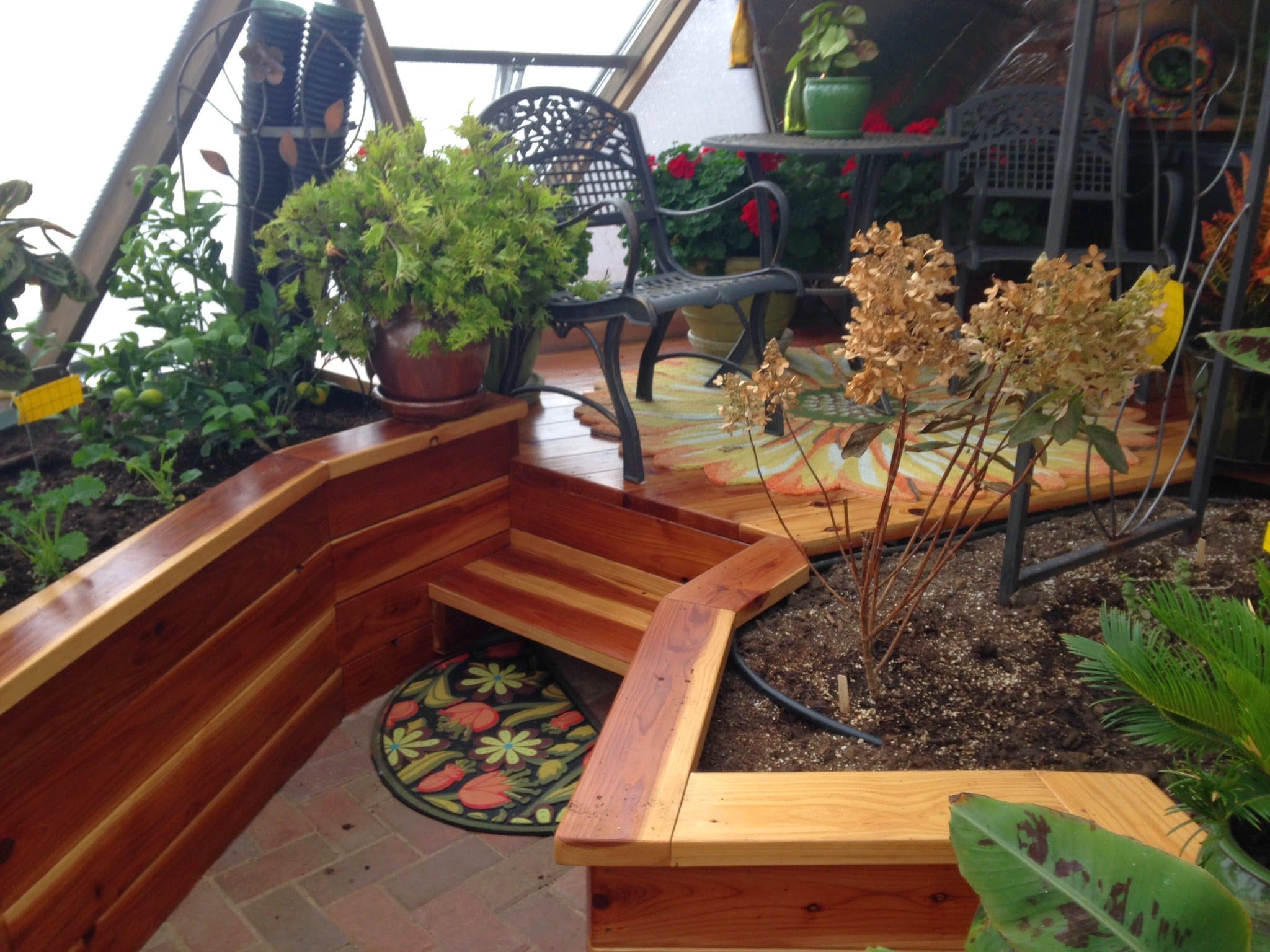
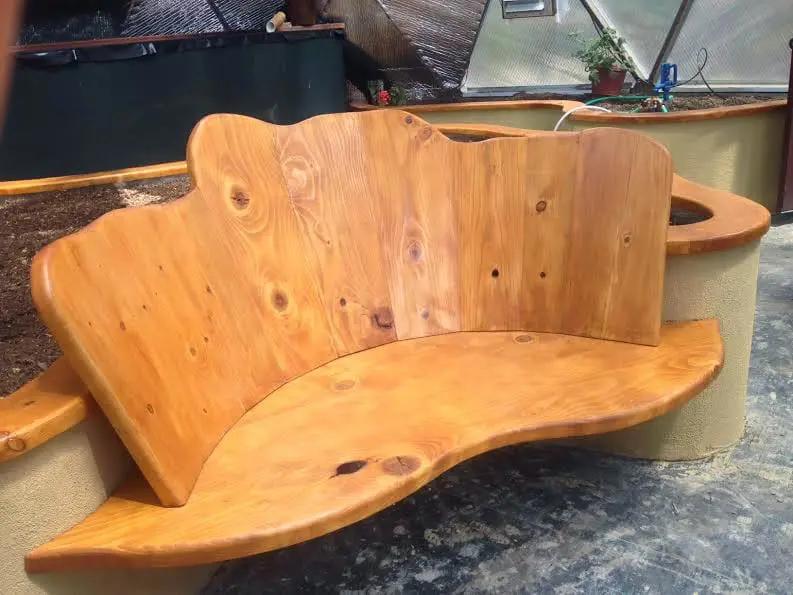
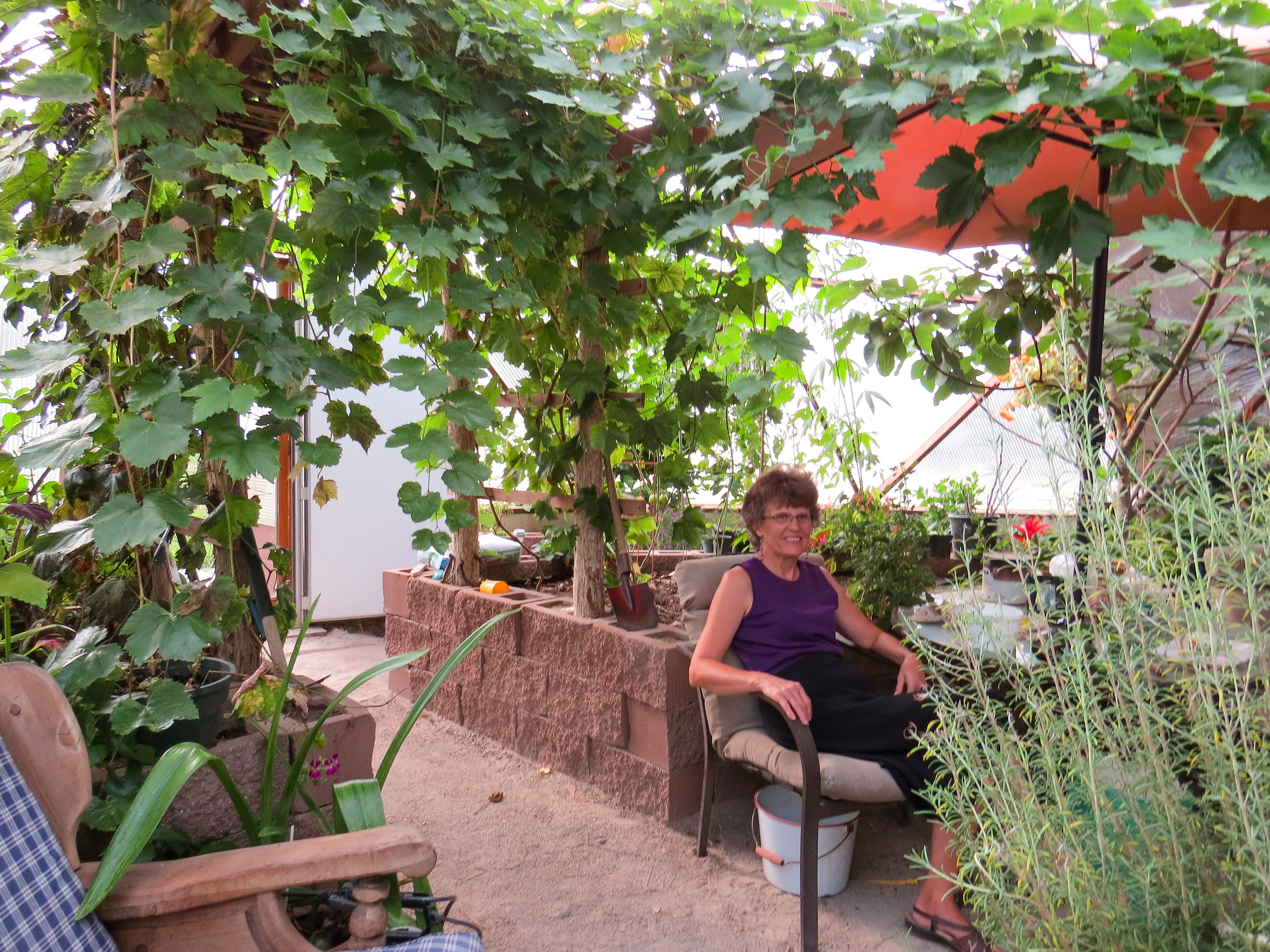
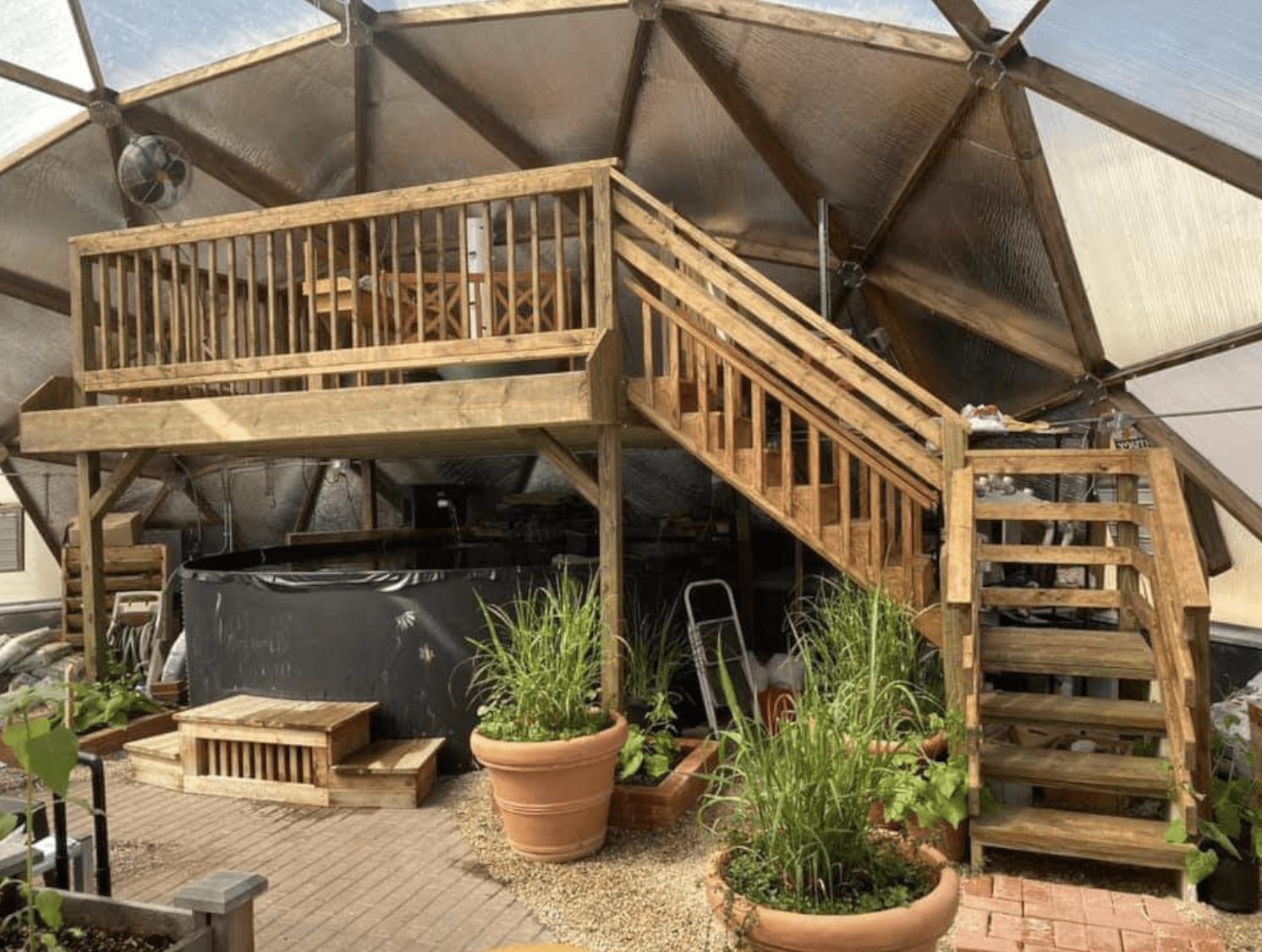
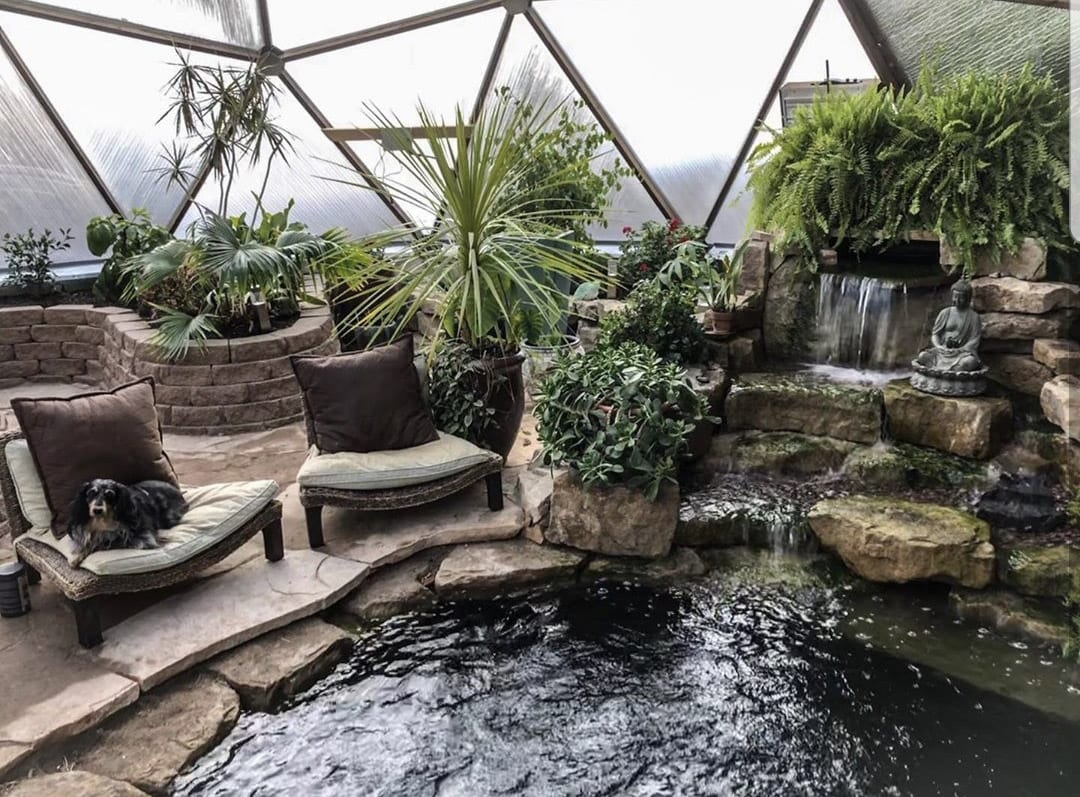
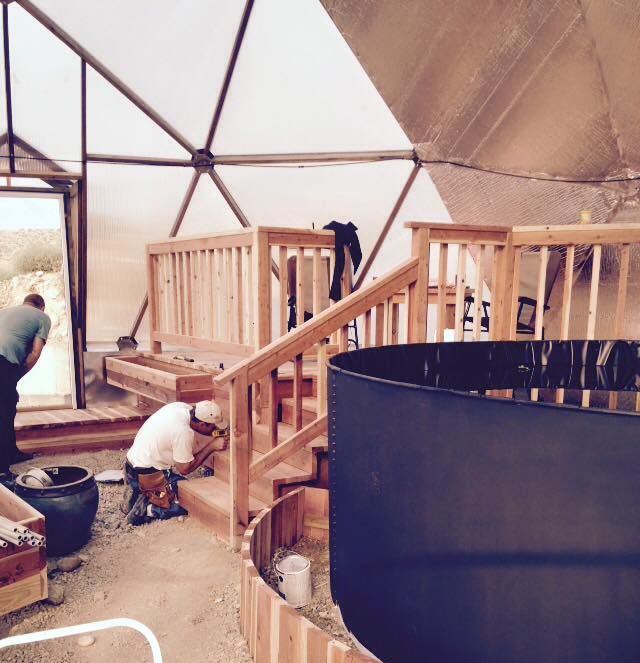
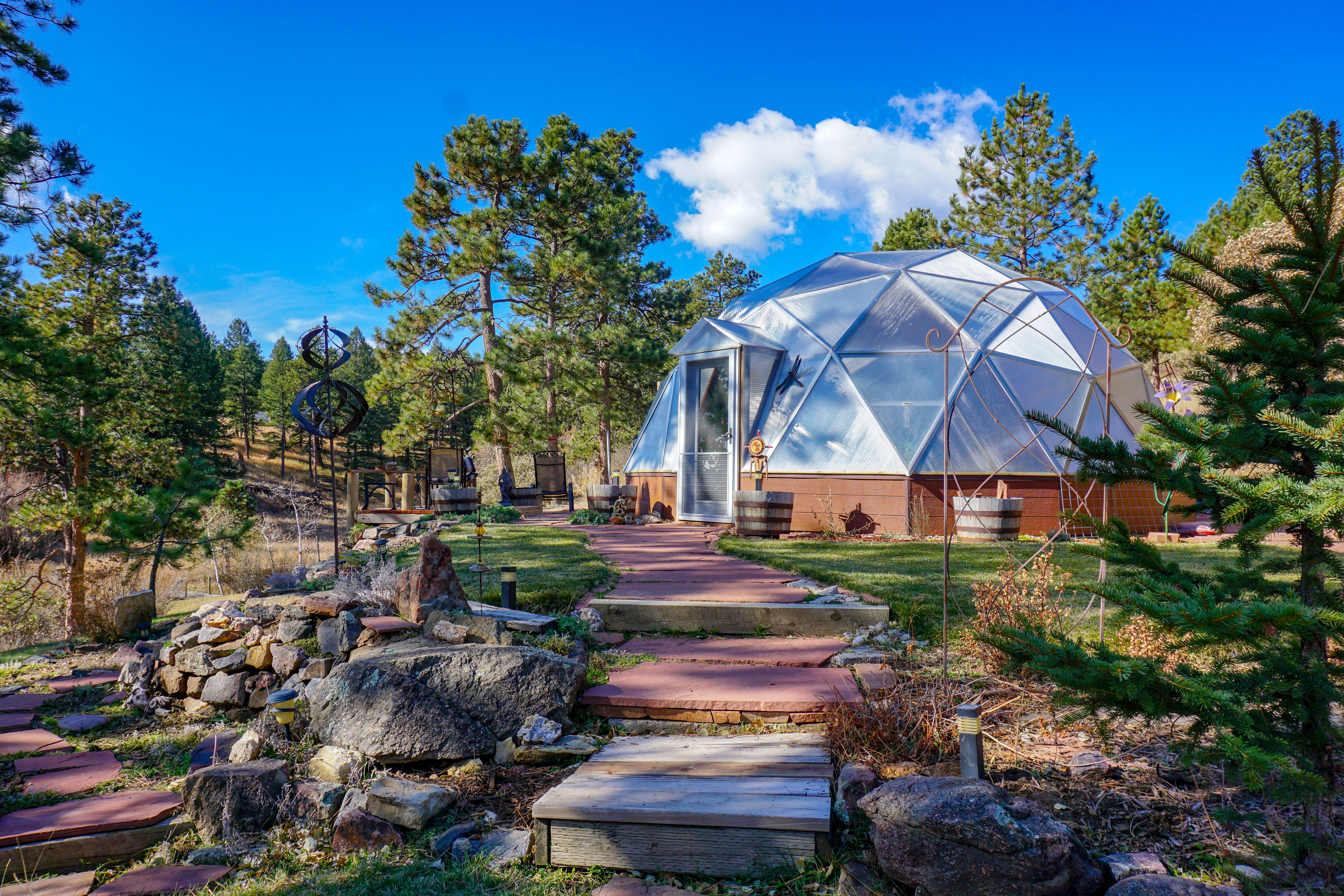
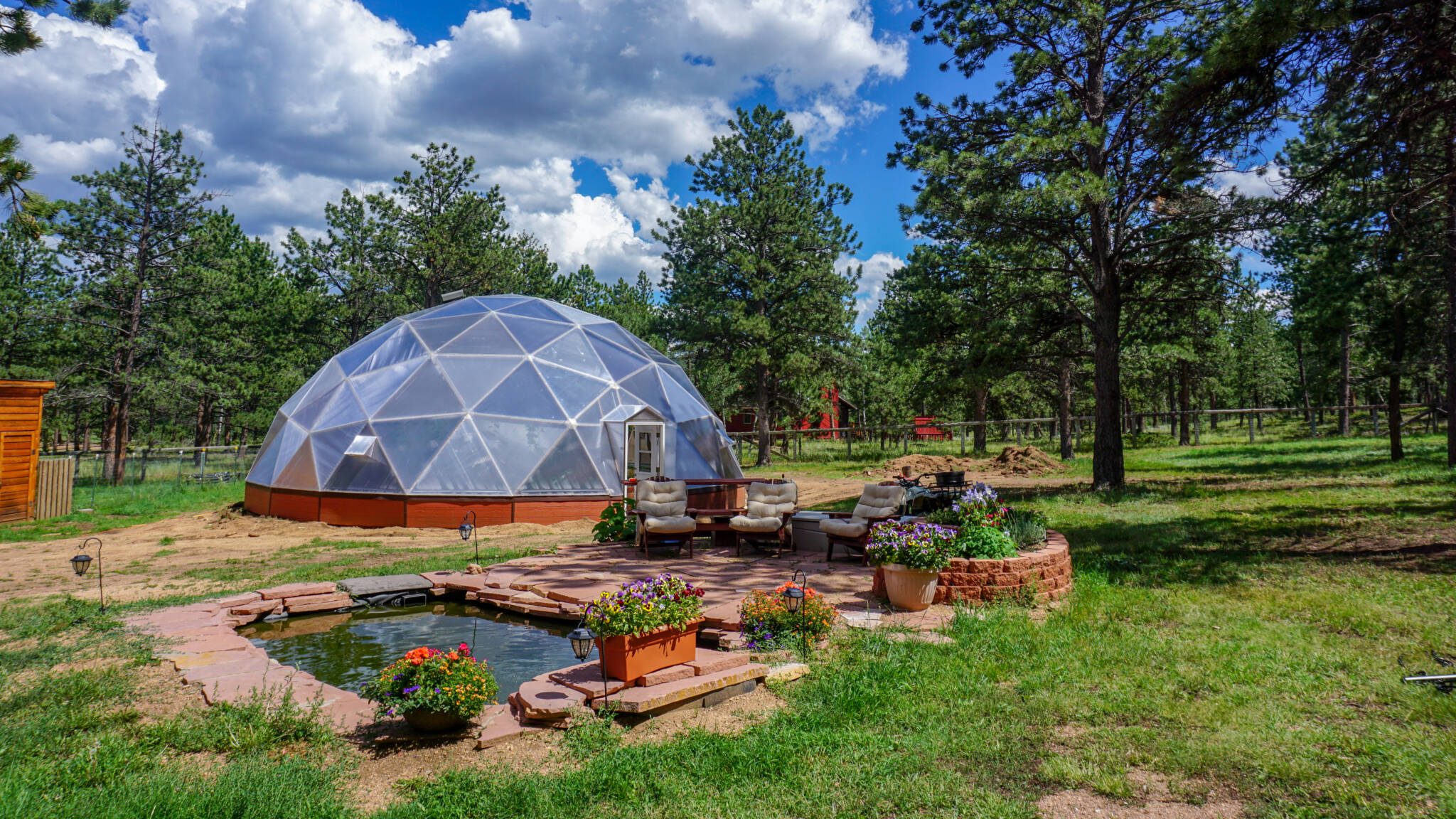
For many of our customers, the Growing Dome serves as more than just a greenhouse for growing food and flowers. It’s an oasis, a place to escape daily life, and they’ve built in spaces for relaxation. These could be patio areas with tables and chairs, complete with an umbrella for extra shade during the summer, or even decks built above the pond. Make it your own.
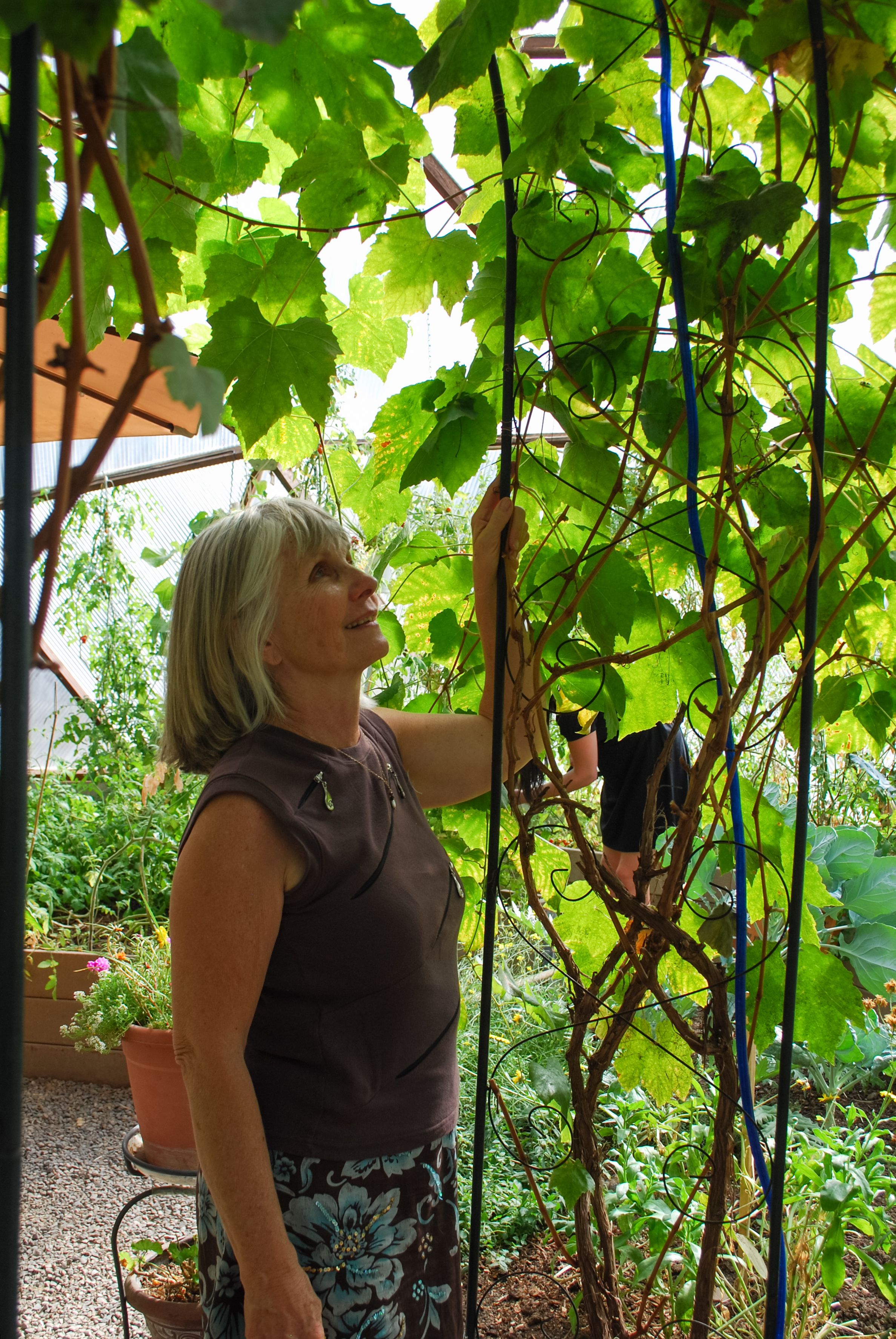
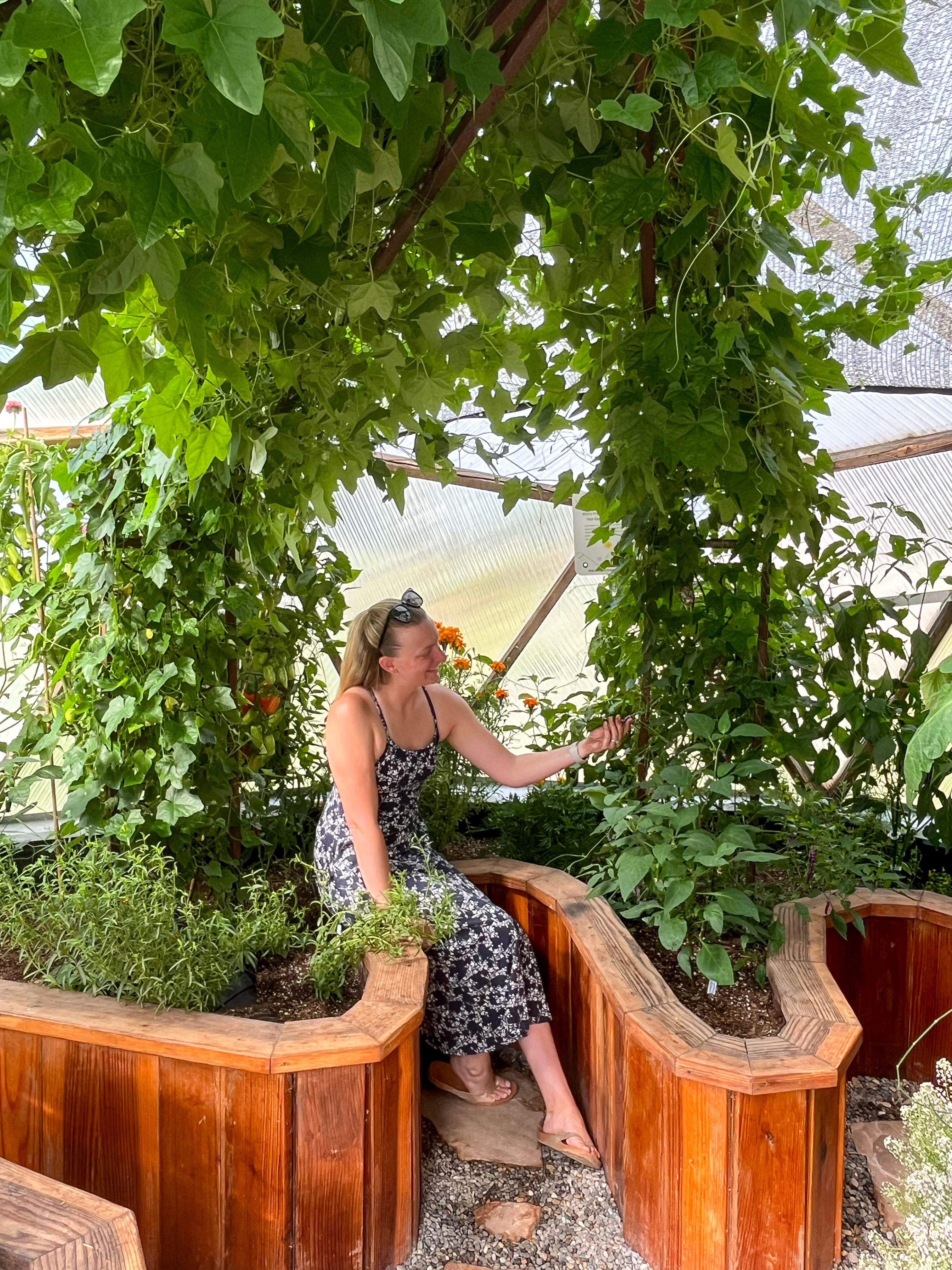
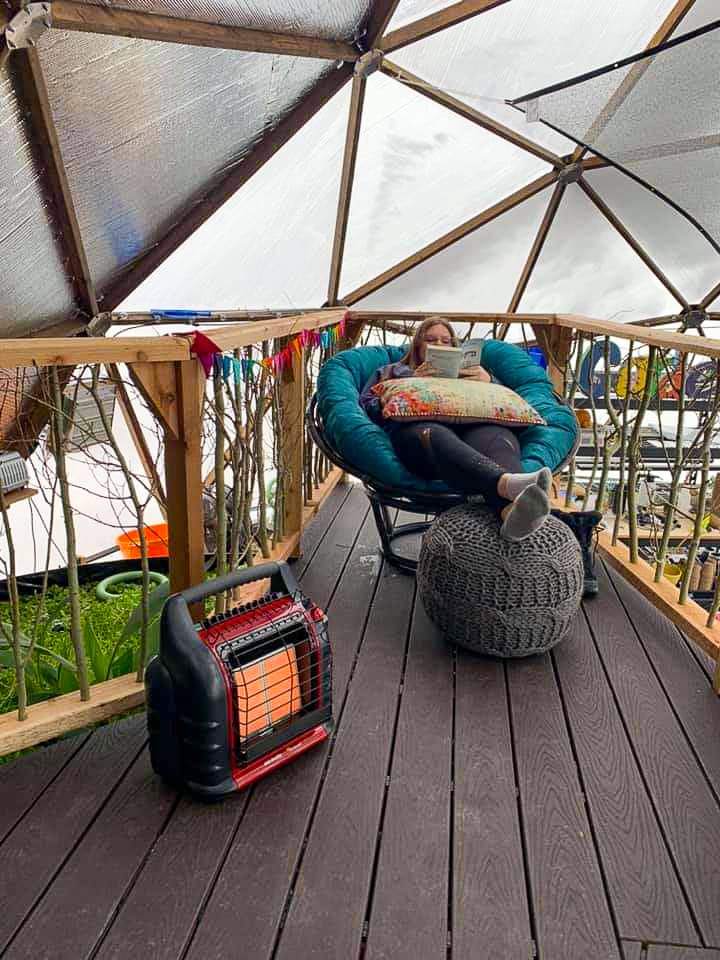
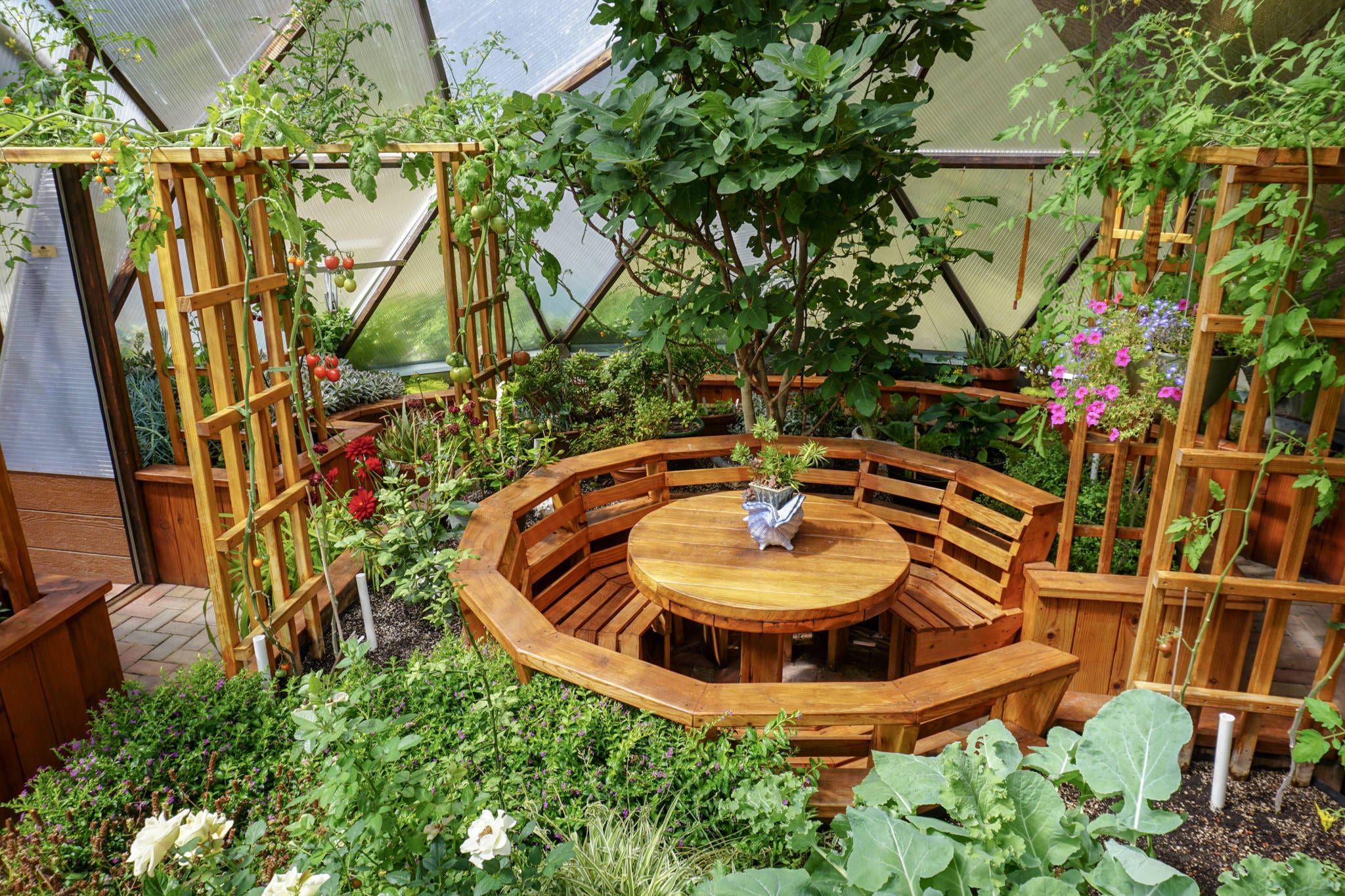
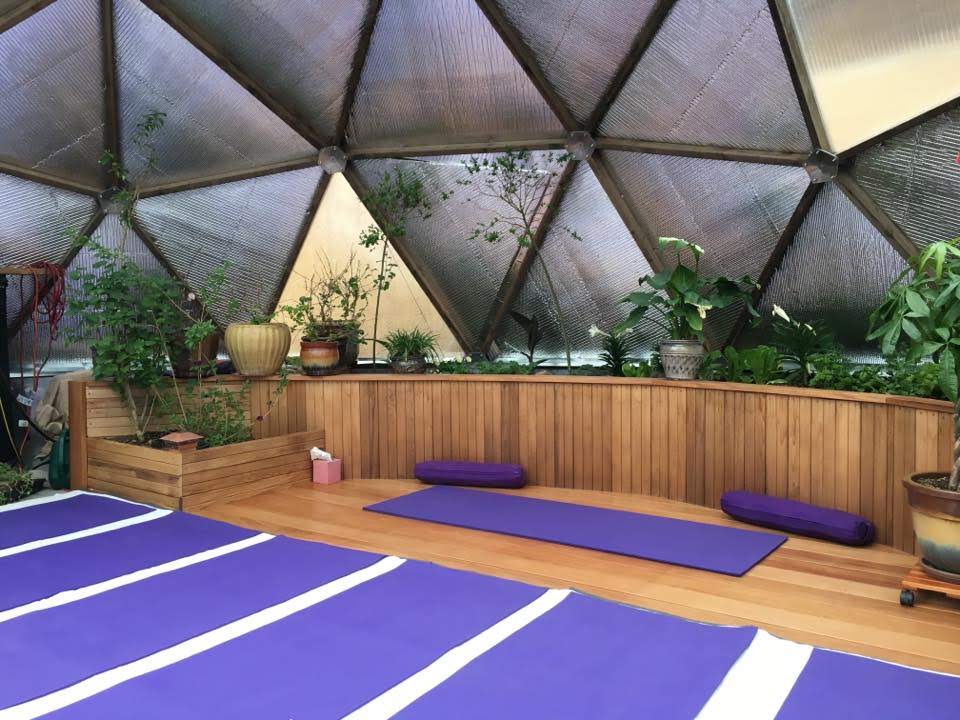
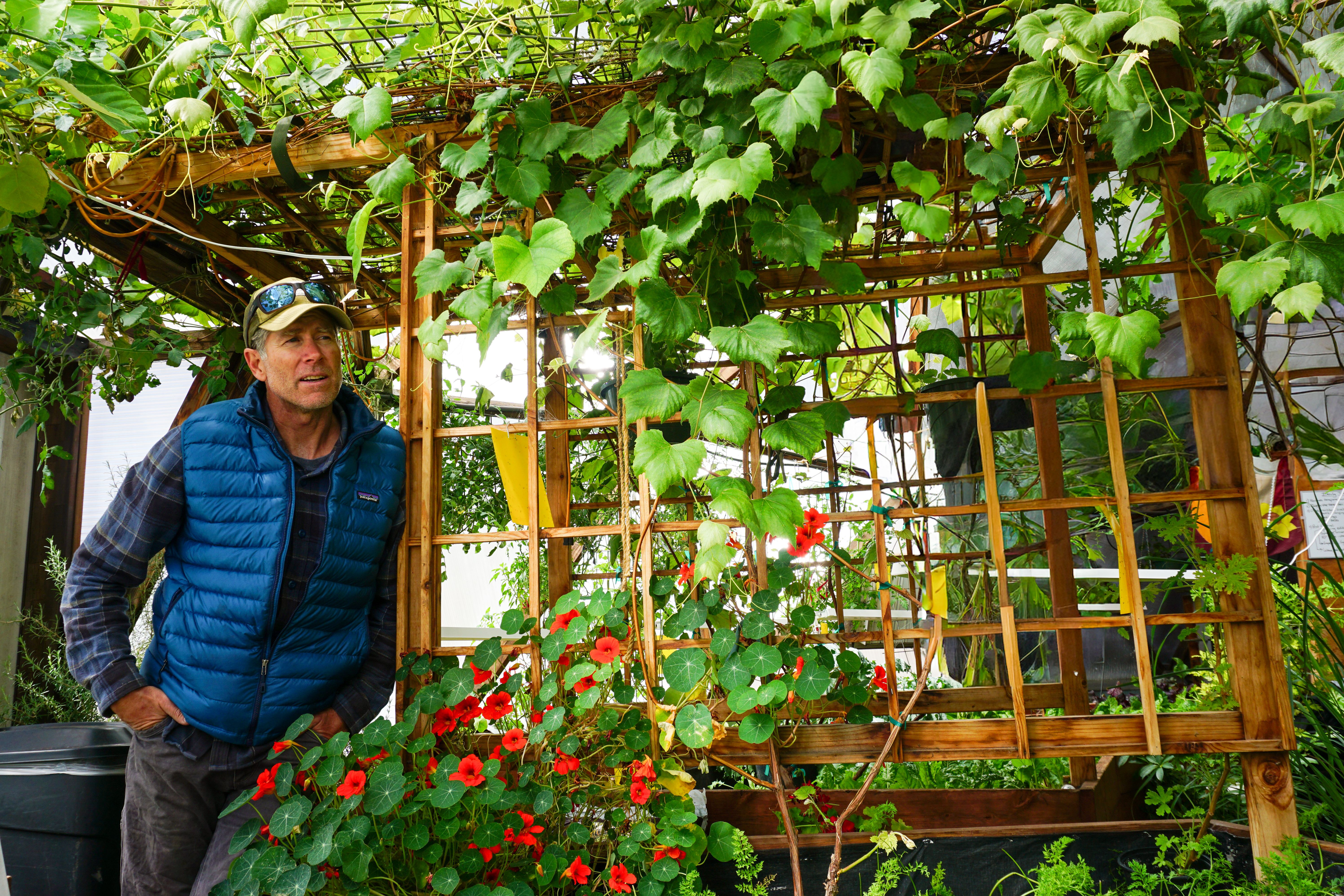
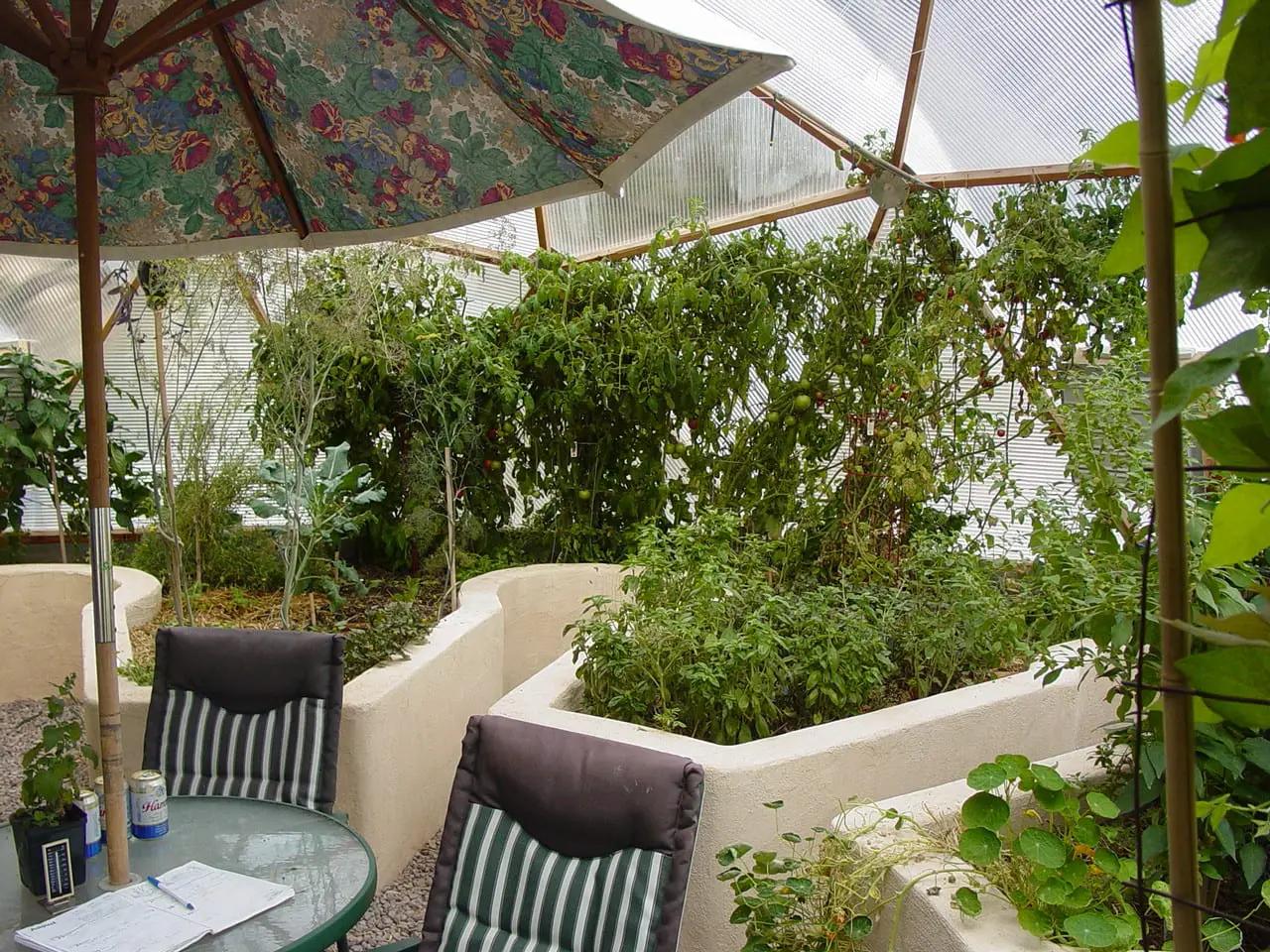
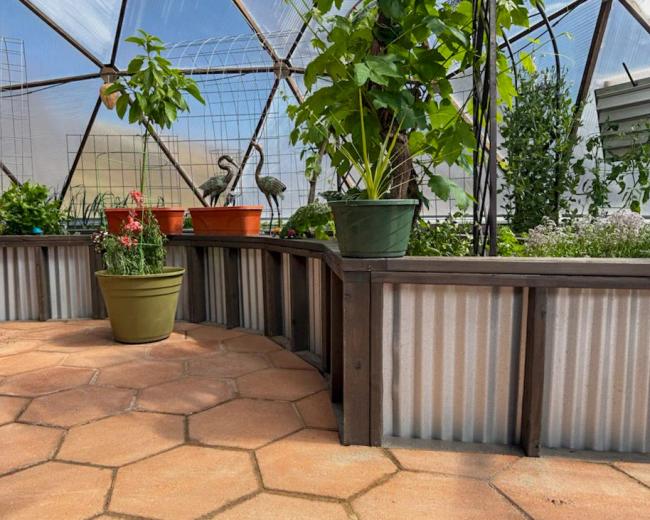
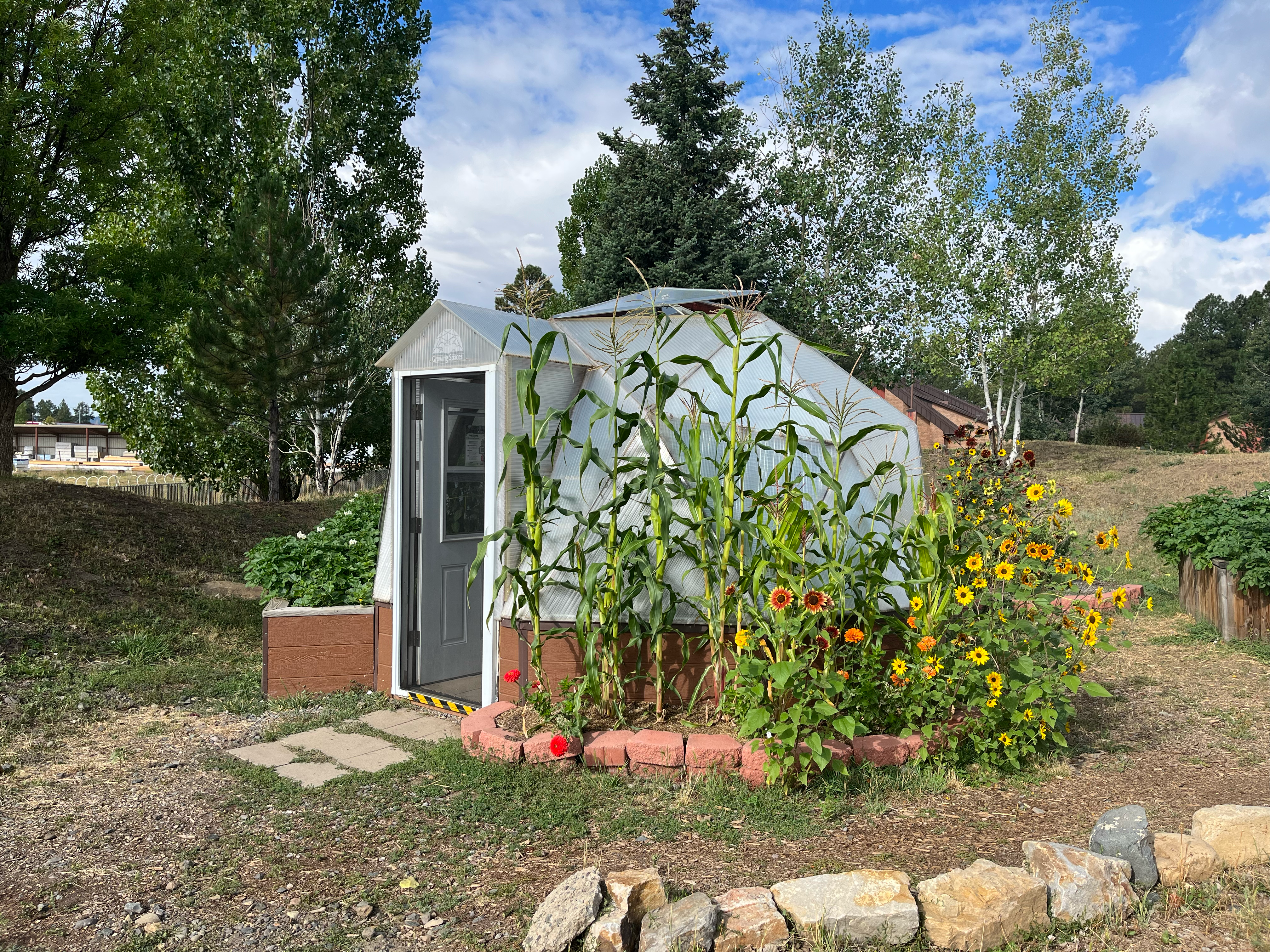
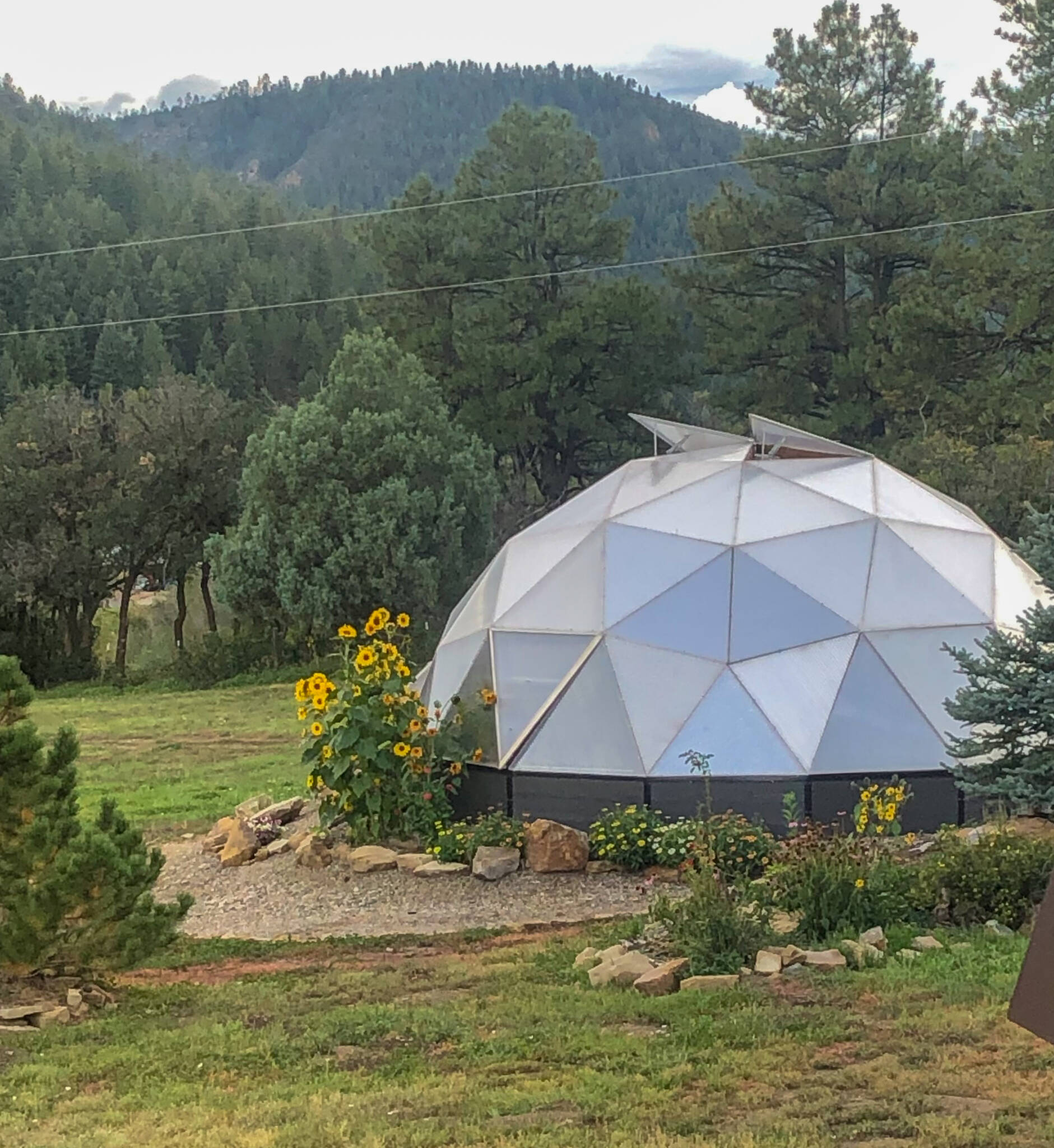
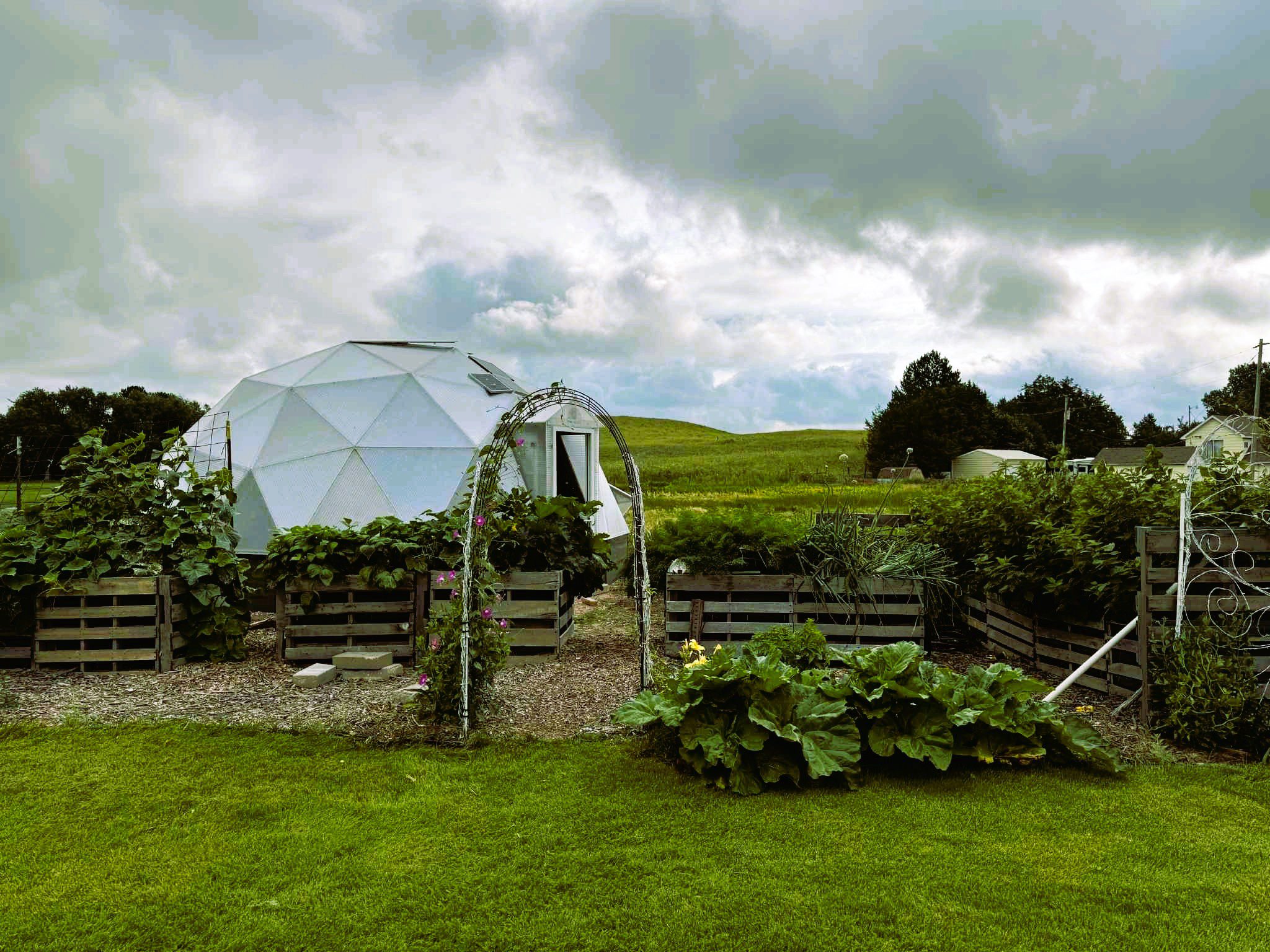
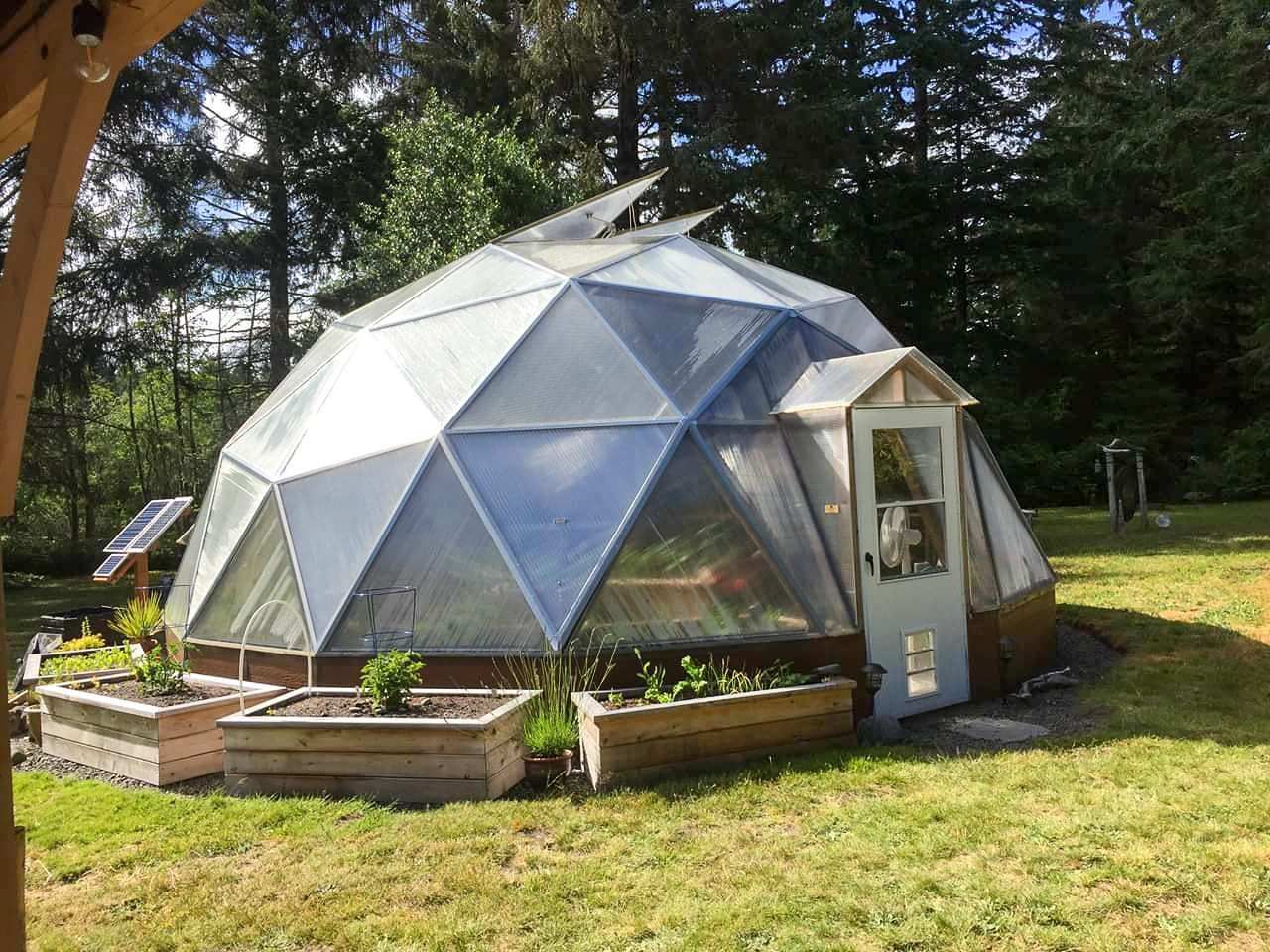
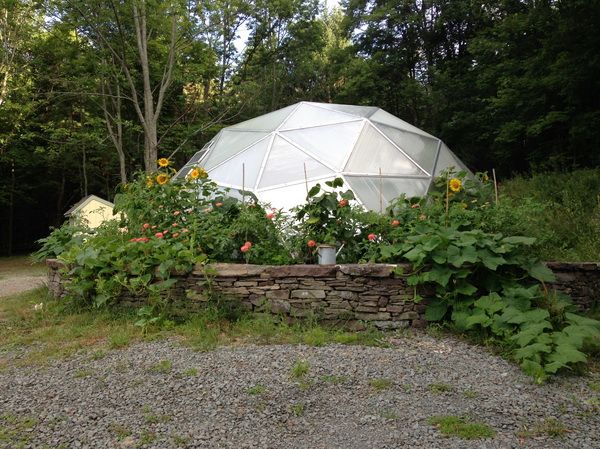
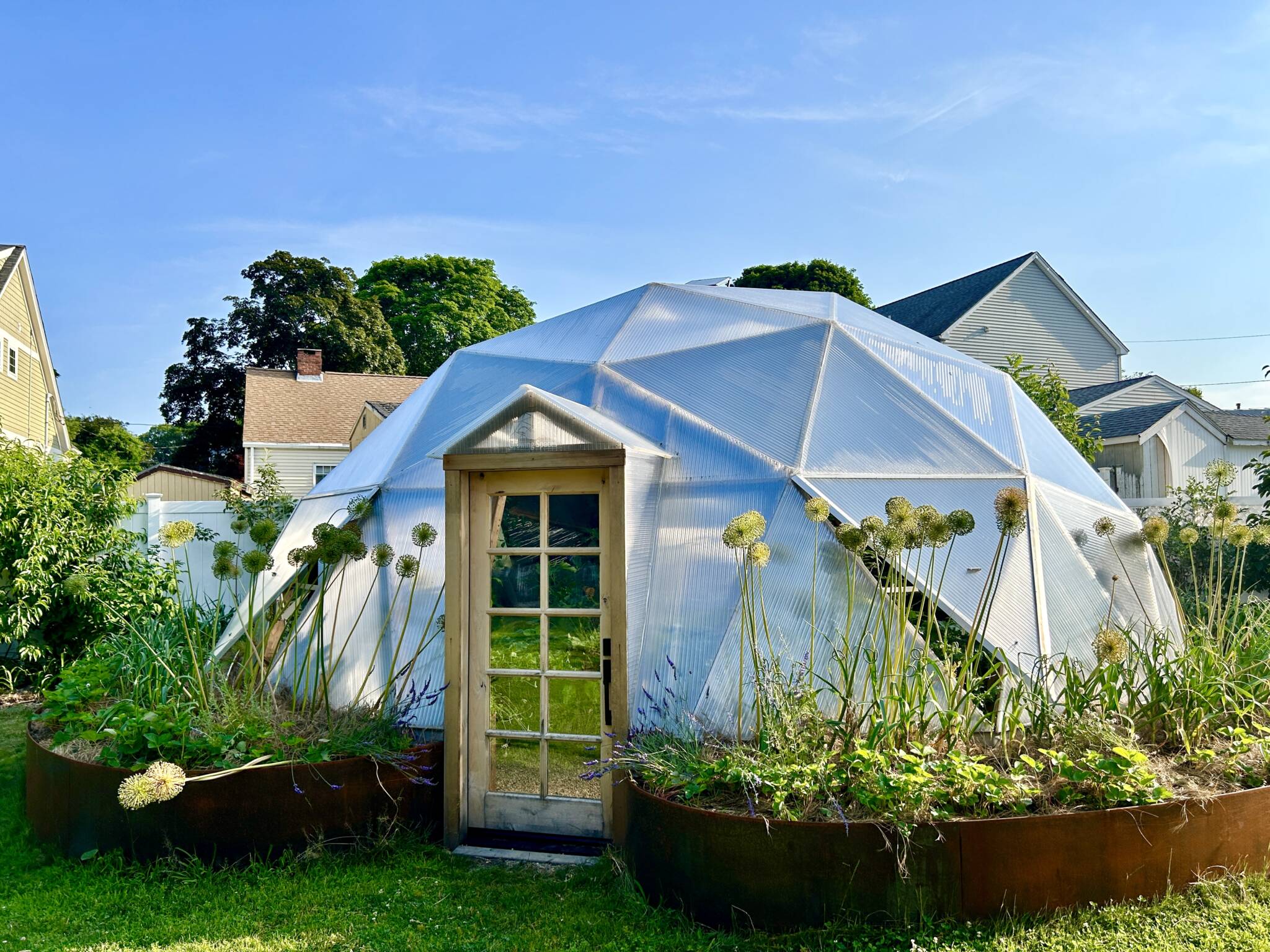
You can add planting boxes or more raised beds around the perimeter of your greenhouse. These additional raised beds will provide extra insulation along your foundation wall. Consider planting tall plants to offer more shade during the summer. Don’t forget to line these beds to prevent the siding from rotting due to prolonged exposure to soil and moisture. Finally, landscape the area to include outdoor patio spaces or to complement the overall design of your property.
Subscribe to Our Newsletter
Join our community to stay up to date